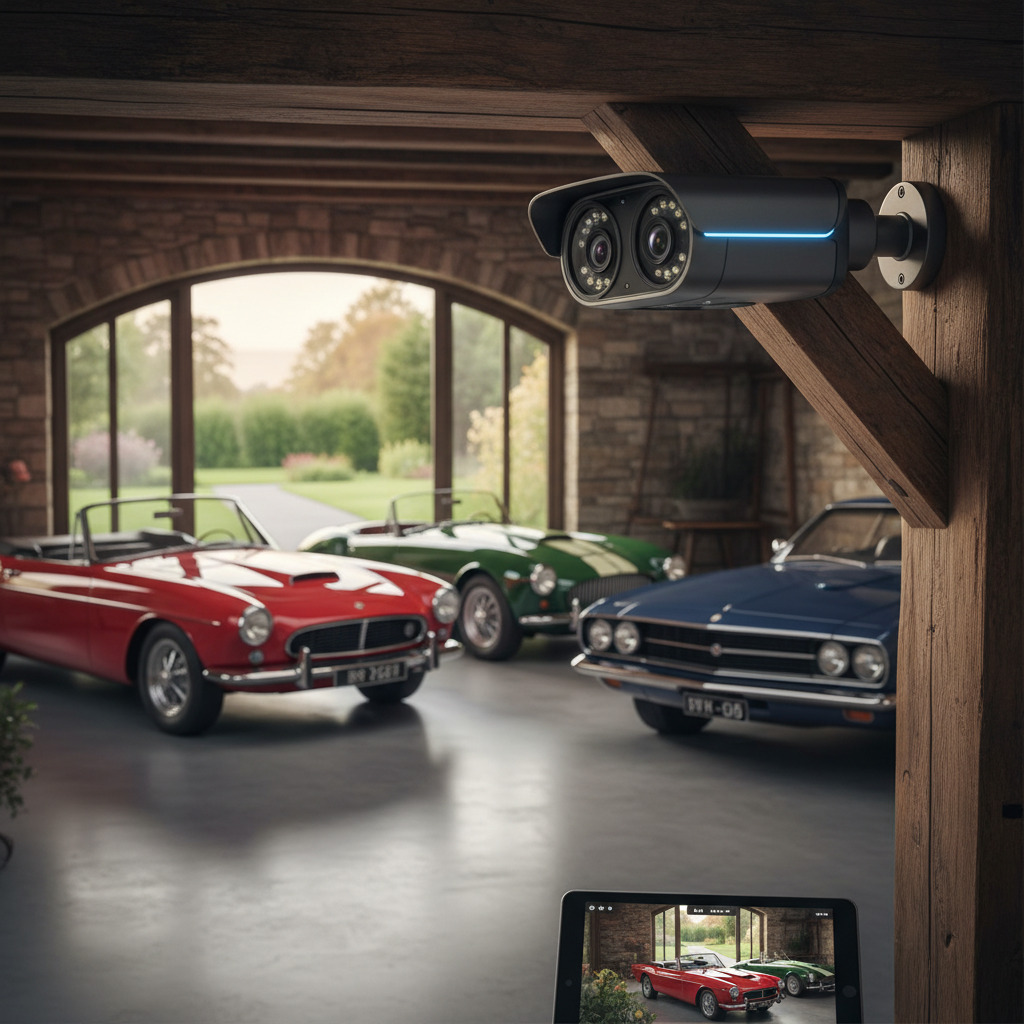
Safeguarding a classic car collection goes beyond simply locking a garage door; it demands a robust, intelligent outdoor camera system tailored to protect these valuable assets. As a classic car enthusiast, you understand the significant investment in time, passion, and capital each vehicle represents. Unprotected, these automotive masterpieces are vulnerable to theft, vandalism, and unforeseen damage. This comprehensive guide, informed by over a decade of experience in surveillance technology, will walk you through selecting, installing, and maintaining the optimal outdoor camera solution to ensure your prized collection remains secure against any threat.
Outdoor Cameras: Essential Security for Your Prized Collection
Outdoor cameras are not just a luxury but a critical component of a comprehensive security strategy, offering round-the-clock vigilance for your classic car collection. In an era where vehicle theft and property crime remain persistent concerns, strategically deployed surveillance systems act as both a formidable deterrent and an indispensable tool for evidence collection. High-definition footage, coupled with advanced monitoring capabilities, can significantly reduce risks, helping to prevent incidents before they escalate and providing crucial visual records if an event occurs.
Types of Outdoor Security Cameras for Vehicle Protection
Choosing the right camera type is fundamental to building an effective security system. Different technologies and designs offer unique advantages for outdoor surveillance.
- Analog Cameras: These traditional cameras connect to a Digital Video Recorder (DVR) via coaxial cables. While generally more affordable, their resolution is typically lower than modern IP cameras. They are a suitable choice for basic surveillance needs but may lack the fine detail required for identifying license plates or facial features at a distance.
- IP (Internet Protocol) Cameras: Offering superior image quality, IP cameras connect to a Network Video Recorder (NVR) or cloud storage via an internet connection. They provide higher resolutions, often up to 4K, and can incorporate advanced features like AI analytics. This makes them ideal for monitoring high-value assets where clear, detailed footage is paramount.
- Wireless Cameras: These cameras transmit data over Wi-Fi, offering flexible placement without the need for extensive cabling for data. While convenient, they require a reliable Wi-Fi signal and a consistent power source, either battery or wired.
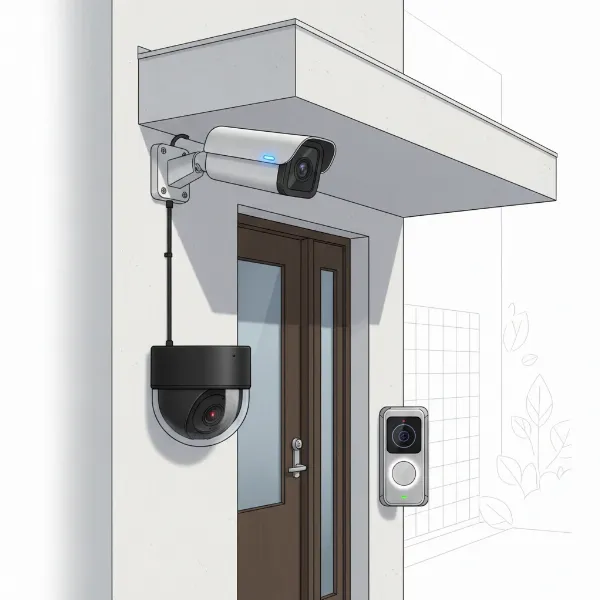
- Bullet Cameras: Easily recognizable by their cylindrical shape, bullet cameras are highly visible, acting as a strong deterrent. They are typically fixed-angle and often feature long-range infrared (IR) night vision.
- Dome Cameras: Designed with a spherical, often vandal-resistant casing, dome cameras are more discreet and difficult to tamper with. Their shape naturally sheds water and helps prevent ice buildup, making them excellent for varied weather conditions.
- PTZ (Pan-Tilt-Zoom) Cameras: These advanced cameras allow remote control over their horizontal (pan), vertical (tilt), and zoom functions. A single PTZ camera can cover a large area, but continuous monitoring might require active user input or sophisticated programming.
|
Our Picks for the Best Outdoor camera in 2026
As an Amazon Associate I earn from qualifying purchases.
|
||
| Num | Product | Action |
|---|---|---|
| 1 | GMK Security Cameras Wireless Outdoor 4 Pack, 2K Battery Powered Cameras for Home Security, Color Night Vision, Motion Detection, 2-Way Talk, IP65 Waterproof, Remote Access, Cloud/SD Storage |

|
| 2 | 2026 Upgraded 2K Security Cameras Wireless Outdoor, Free Cloud Storage, 1-6 Months Battery Life, Waterproof, 2-Way Talk, AI Motion Detection Spotlight Siren Alarm Cameras for Home Security |
|
| 3 | Security Cameras Wireless Outdoor 355° Pan Rotating 2K Color Night Vision Cameras for Home Security WiFi Battery Outdoor Camera Motion Detection 2-Way Talk IP65 Spotlight Siren SD/Cloud Storage 2 Pack |
|
| 4 | WYZE Cam v4 (Latest Model), 2.5K AI Security Camera, Indoor/Outdoor Cameras for Home Security, Baby Monitor & Pet Camera, Vibrant Color Night Vision, No Subscription Required, Free Expert Help |
|
| 5 | All-new Blink Video Doorbell + Outdoor 4 – Wireless smart security cameras, head-to-toe HD view, two-year battery life. Sync Module Core included – 2 camera system + Video Doorbell |
|
| 6 | aosu Security Cameras Outdoor Wireless, 4 Cam-Kit, No Subscription Required, Solar-Powered, Home Security Cameras System with 360° Pan & Tilt, Auto Tracking, 2K Color Night Vision, Easy Setup |
|
| 7 | Ring Outdoor Cam (Stick Up Cam), Weather-resistant home or business security camera, outdoor ready, Live View, Color Night Vision, Two-Way Talk, motion alerts, Works with Alexa, White |
|
| 8 | Blink Outdoor 4 – Wireless smart security camera, two-year battery life, 1080p HD day and infrared night live view, two-way talk. Sync Module Core included – 3 camera system |
|
| 9 | eufy Security 3K Dual Camera, SoloCam S340, Solar Security Cameras Wireless Outdoor, Cameras for Home Security, 360°Coverage, Pan & Tilt, No Blind Spots, No Monthly Fee, HomeBase S380 Compatible |
|
| 10 | Ring Outdoor Cam Plus, Battery (newest model), Home or business security, Wide-Angle 2K Video with Ring Vision, Low-Light Sight for full-color night vision, Mount-Anywhere Versatility, Black |
|
Each type presents distinct benefits and drawbacks, making the selection process dependent on your specific security needs, environmental conditions, and budget.
Comparative Overview of Outdoor Camera Types
When safeguarding a classic car collection, understanding the core specifications of different outdoor camera types is vital. This table provides a quick comparison across key criteria.
| Feature | Analog Cameras | IP Cameras | Wireless Cameras | PTZ Cameras |
|---|---|---|---|---|
| Resolution | Lower (up to 1080p) | High (1080p to 4K+) | Varies (up to 4K) | High (1080p to 4K+) |
| Connectivity | Coaxial cable | Ethernet (PoE) / Wi-Fi | Wi-Fi | Ethernet (PoE) / Wi-Fi |
| Installation Ease | Moderate | Moderate to Complex (IP) | Easiest | Moderate (complex setup) |
| Weather Resistance | Good (housing dependent) | Excellent (IP-rated) | Varies | Excellent (IP-rated, durable) |
| Night Vision | Basic IR | Advanced IR/Color Night Vision | Basic to Advanced | Advanced IR/Color Night Vision |
| Smart Features | Limited | Extensive (AI, LPR) | Basic to Moderate | Extensive (AI, Tracking) |
| Cost | Lower | Moderate to High | Moderate | Highest |
[image-1|outdoor-camera-types-comparison|Different types of outdoor security cameras for classic car collection comparison.|
A detailed infographic comparing various outdoor security camera types (Bullet, Dome, PTZ, Wireless) with icons representing their features like resolution, night vision, weather resistance, and smart capabilities, set against a backdrop of a secure classic car garage entrance with cars visible inside. The style should be clean, informative, and editorial, with clear labels and a balanced composition.
]
Key Criteria for Selecting Your Outdoor Camera System
Selecting the ideal outdoor camera for your classic car collection requires careful consideration of several crucial factors. The right choice will offer both peace of mind and robust protection.
Resolution: Capturing Critical Details
High resolution is paramount for identifying intruders, distinguishing vehicle models, and capturing license plate numbers. Look for cameras offering at least 1080p Full HD, with 2K or 4K Ultra HD being highly recommended for maximum detail. Higher resolution provides clearer images, which can be digitally zoomed in without significant loss of quality, essential for post-incident analysis.
Field of View: Comprehensive Coverage
The camera’s angle of view determines how much area it can cover. Wide-angle lenses are excellent for general surveillance of large spaces like driveways or the exterior of a garage. For specific entry points or high-value display areas, a narrower field of view might offer higher pixel density and detail. Consider PTZ cameras for dynamic, expansive coverage, allowing you to remotely adjust the view as needed.
Weather Resistance: Enduring the Elements
Given their outdoor placement, cameras must withstand various environmental conditions. The IP (Ingress Protection) rating is your guide here. An IP66 rating is generally the minimum for outdoor use, protecting against dust and powerful water jets from heavy storms. For ultimate durability, especially in areas prone to heavy rain or temporary submersion, an IP67 rating is advisable. Additionally, check the operating temperature range to ensure the camera functions reliably in your local climate’s extreme heat or cold. Dome cameras, with their naturally shedding shape, can also offer an advantage in snowy or icy conditions.
Night Vision: Uninterrupted Surveillance
Most criminal activities occur under the cover of darkness. Effective night vision is non-negotiable. Infrared (IR) night vision uses invisible IR light to illuminate subjects, producing clear black-and-white images. For even better detail and potential color identification, consider cameras with advanced low-light sensors or supplementary white light illuminators that can capture full-color footage at night.
Smart Features: Intelligent Monitoring
Modern outdoor cameras come equipped with intelligent features that enhance security:
- Motion Detection: Triggers recording and alerts when movement is detected, reducing false alarms.
- AI-Powered Analytics: Distinguishes between people, vehicles, and animals, filtering out irrelevant triggers like swaying branches. Some systems can identify unusual activity patterns or loitering.
- Facial Recognition: Can identify known individuals or flag unknown faces, though this feature often requires advanced systems.
- License Plate Recognition (LPR): Crucial for identifying vehicles entering or exiting your property, a key feature for tracking suspicious activity around your collection.
Storage Options: Reliable Data Retention
How footage is stored is as important as how it’s captured:
- Local Storage (SD Card/NVR/DVR): Stores footage on-site. NVRs (Network Video Recorders) and DVRs (Digital Video Recorders) offer larger capacities and more extended recording times.
- Cloud Storage: Stores footage remotely on secure servers. Offers easy access from anywhere and protection against on-site damage or theft of recording equipment, often requiring a subscription.
- Hybrid Systems: Combine local and cloud storage for redundancy and flexibility.
Power & Connectivity: Sustained Operation
Consider the power source and network connection:
- Wired (PoE – Power over Ethernet): Offers the most reliable power and data connection. A single Ethernet cable powers the camera and transmits data, simplifying installation.
- Wireless (Wi-Fi): Provides flexible placement but relies on stable Wi-Fi. Needs a power source (wired or battery).
- Battery-Powered: Offers ultimate flexibility in placement but requires periodic recharging or battery replacement. Less ideal for continuous 24/7 surveillance of high-value assets.
- Solar Powered: Ideal for remote locations without easy access to power, often paired with cellular connectivity.
Top Outdoor Cameras for Classic Car Collection Security
Protecting a classic car collection demands reliability and advanced features. While specific models evolve rapidly, several brands consistently deliver high-performance outdoor cameras suitable for this critical task. Here are general types and features to look for from reputable brands.
1. Reolink Argus 3 Pro (or similar high-resolution wireless camera)
- Brand: Reolink
- Pros: Often feature 2K resolution, color night vision, integrated spotlight, motion detection, and local storage (SD card). Wire-free design with solar panel compatibility offers flexible placement. Good IP ratings.
- Cons: Battery life depends on activity; Wi-Fi reliability is crucial.
- Ideal for: Smaller collections or specific “hot spots” where wiring is challenging, offering quick deployment and easy management.
2. Arlo Ultra 2 (or similar premium wire-free system)
- Brand: Arlo
- Pros: Delivers 4K HDR video, 180-degree diagonal view, advanced object detection (people, vehicles, animals), and color night vision. Integrates with smart home systems and offers cloud storage.
- Cons: Higher price point, subscription often required for full features and cloud storage. Battery-powered, so continuous recording is limited.
- Ideal for: Homeowners desiring top-tier image quality and smart features with flexible, wire-free installation around a residential collection.
3. Lorex 4K IP Smart Deterrence Camera System (or similar NVR-based wired system)
- Brand: Lorex
- Pros: Wired PoE connection ensures stable power and data. Offers true 4K resolution, advanced smart deterrence (lights, siren), two-way talk, and robust NVR (Network Video Recorder) for 24/7 continuous recording and ample local storage. High IP ratings (e.g., IP66/IP67).
- Cons: Requires professional installation or DIY wiring, less flexible in placement than wireless.
- Ideal for: Larger collections or dedicated storage facilities where a reliable, always-on wired system with extensive recording capabilities is essential.
4. Ring Floodlight Cam Wired Pro (or similar integrated security light camera)
- Brand: Ring
- Pros: Combines a 1080p HD camera with powerful LED floodlights and a siren, offering excellent deterrence. Features 3D Motion Detection, Bird’s Eye View, and two-way talk. Wired power ensures continuous operation.
- Cons: Requires existing wiring for floodlight, resolution is typically 1080p, not 4K.
- Ideal for: Illuminating and securing garage entry points, driveways, or areas requiring active deterrence and visible light at night.
5. Dahua/Hikvision PTZ Cameras (Professional Grade)
- Brand: Dahua, Hikvision (or similar professional surveillance brands)
- Pros: High resolution (up to 4K), powerful optical zoom, rapid pan/tilt speeds, advanced auto-tracking, and robust weather/vandal-resistant housing (IP66/IP67, IK10). Often integrate advanced AI analytics like LPR.
- Cons: Significant investment, complex installation and configuration, typically requires NVR.
- Ideal for: Large outdoor collection spaces, expansive driveways, or commercial-grade classic car storage facilities where a single camera needs to cover vast areas with dynamic monitoring capabilities.
[image-2|top-outdoor-cameras-classic-cars|Selection of top outdoor security cameras ideal for protecting classic car collections.|
A professional-grade image displaying a curated selection of various outdoor security cameras (e.g., a sleek bullet camera, a robust dome camera, a compact wireless camera, and a sophisticated PTZ camera). They are subtly arranged on a dark, reflective surface with a blurred background of a modern garage housing classic cars. The lighting is sophisticated, highlighting the cameras’ designs, with a clean, high-tech, and slightly luxurious feel.
]
Step-by-Step Guide to Outdoor Camera Installation
Proper installation is crucial for maximizing your outdoor camera’s effectiveness and longevity. Follow these steps for a secure and functional setup.
1. Strategic Placement is Key
Identify optimal locations that provide a clear, unobstructed view of your classic car collection, entry points, and any vulnerable areas.
- Elevated Positions: Mount cameras high enough (e.g., 8-10 feet) to prevent tampering but low enough to capture clear facial and vehicle details.
- Cover All Angles: Ensure overlapping fields of view to eliminate blind spots.
- Avoid Backlighting: Position cameras to avoid direct sunlight or bright lights behind the subject, which can cause silhouetting.
- Focus on Entry/Exit Points: Gates, garage doors, and pathways should be primary surveillance targets.
2. Prepare Tools and Materials
Gather all necessary equipment before you begin:
- Drill and appropriate bits
- Screwdriver
- Ladder
- Cable ties and clips (for wired cameras)
- Waterproof electrical tape/sealant
- Power drill and anchors
- The camera(s) and mounting hardware
- Ethernet cables (for PoE) or a strong Wi-Fi signal
- NVR/DVR or cloud account setup details
3. Power and Network Connection
- Wired Cameras (PoE): Run Ethernet cables from your NVR or PoE switch to each camera location. Ensure cables are neatly tucked away and protected from the elements. Use waterproof connectors where necessary.
- Wireless Cameras: Ensure a strong and stable Wi-Fi signal at each camera’s location. If the signal is weak, consider a Wi-Fi extender. Connect the camera to a power source (outlet or battery, or solar panel). For battery cameras, fully charge them before installation.
4. Mount the Camera
- Carefully follow the manufacturer’s instructions for mounting your specific camera model.
- Securely attach the mounting bracket to a solid surface (wall, eaves, pole).
- Attach the camera to the bracket, ensuring it’s firmly in place.
- Angle the camera to achieve the desired field of view.
5. Configure and Test
- Once powered and connected, use the camera’s mobile app or software to complete the setup.
- Configure motion detection zones, sensitivity, and alert preferences.
- Test the live view, recording, and smart features. Walk through the monitored area to trigger motion detection and verify footage quality.
- Adjust the camera’s angle or focus if necessary to optimize coverage and clarity.
- Ensure all settings, including night vision and recording schedules, are correctly configured for 24/7 surveillance.
Maintenance Tips for Outdoor Security Cameras
Regular maintenance extends the life of your outdoor cameras and ensures continuous optimal performance.
- Routine Cleaning: Dust, dirt, cobwebs, and water spots can obstruct the lens, reducing image clarity. Gently clean the camera lens and housing with a soft, damp cloth every few months, or more frequently in dusty or harsh environments.
- Check Connections: Periodically inspect all cables and connections for wear, fraying, or loose fittings. Ensure power connections are secure and weatherproof seals are intact. Loose connections can lead to intermittent operation or total failure.
- Software Updates: Keep your camera’s firmware and associated apps updated. Manufacturers frequently release updates that improve security, add new features, and fix bugs.
- Monitor Footage Regularly: Occasionally review recorded footage to ensure the cameras are operating correctly, capturing clear images, and that no blind spots have developed due to changes in the environment (e.g., growing foliage).
- Battery Management (for wireless cameras): For battery-powered cameras, monitor battery levels regularly and recharge or replace them as needed. Consider solar panel attachments for a continuous charge.
- Protect from Physical Impact: If possible, position cameras in locations that minimize exposure to potential physical damage from falling branches, sports equipment, or other impacts. Look for cameras with IK (Impact Protection) ratings for vandal resistance.
Buying Guide: Crucial Considerations Before Purchase
Investing in an outdoor camera system for your classic car collection requires a thoughtful approach. Here’s a concise guide to help you make an informed decision.
- Define Your Needs and Budget:
- What specific areas need surveillance (garage, driveway, perimeter)?
- What level of detail is required (general overview vs. license plate recognition)?
- What is your realistic budget for cameras, installation, and potential ongoing cloud storage subscriptions?
- Prioritize Features:
- High resolution (2K/4K) for detailed footage.
- Robust weather resistance (IP66/IP67) and wide operating temperature range.
- Excellent night vision (IR or color night vision).
- Smart features like AI-powered motion detection and LPR if critical.
- Reliable storage options (local NVR/DVR for 24/7, cloud for accessibility).
- Choose Reputable Brands:
- Opt for brands known for quality, reliability, customer support, and regular software updates.
- Research user reviews and expert recommendations.
- Consider Professional Installation:
- For complex wired systems or large properties, professional installation ensures optimal placement, wiring, and configuration.
- Understand Warranty and Support:
- Check the warranty period and the availability of technical support. A good warranty provides peace of mind.
- Scalability:
- Think about future expansion. Can you easily add more cameras to the system if your needs grow?
- Integration:
- If you have other smart home devices or security systems, consider cameras that can integrate seamlessly for a unified security ecosystem.
“For classic car collectors, security isn’t just about deterrence; it’s about detailed, actionable intelligence. High-resolution cameras with advanced analytics provide the eyes you need, even when you’re miles away.” – Dr. Eleanor Vance, Security Systems Architect
Conclusion
Protecting a classic car collection demands a proactive and intelligent approach, with a robust outdoor camera system forming its cornerstone. By carefully considering factors such as resolution, weather resistance, night vision capabilities, and smart features, you can select a surveillance solution that not only deters potential threats but also provides invaluable peace of mind. Regular maintenance and strategic placement further ensure your system operates at peak efficiency, safeguarding your cherished automotive investments for years to come. Investing in the right outdoor camera is not merely a purchase; it’s an essential safeguard for your passion.
What specific challenges do you face in securing your classic car collection that a tailored camera system could address?
Frequently Asked Questions
What resolution is best for identifying license plates on outdoor cameras?
For reliable license plate recognition, especially at a distance or in varying light conditions, a minimum of 2K (1440p) resolution is recommended. However, 4K (2160p) cameras offer superior detail, significantly improving the chances of clearly identifying license plates and other fine details.
Can outdoor cameras withstand extreme weather conditions?
Yes, high-quality outdoor cameras are designed to endure extreme weather. Look for an IP66 rating for strong protection against dust and powerful water jets, or an IP67 rating for temporary submersion. Additionally, check the camera’s specified operating temperature range to ensure it can handle your local climate’s heat and cold.
Are wireless outdoor cameras reliable for car collection security?
Wireless outdoor cameras offer installation flexibility and can be reliable if they have a strong, stable Wi-Fi connection and a consistent power source (e.g., wired, solar, or frequently charged batteries). For 24/7, critical surveillance of high-value assets, wired (PoE) IP cameras often provide greater stability and reliability.
What smart features are most useful for protecting a classic car collection?
Key smart features include AI-powered motion detection that differentiates between people and vehicles, reducing false alarms. License Plate Recognition (LPR) is invaluable for tracking vehicle activity. Advanced systems may also offer custom alert zones and integration with other security devices for a comprehensive security ecosystem.
How much storage do I need for continuous 24/7 recording?
The amount of storage required depends on resolution, frames per second (FPS), and the number of cameras. For continuous 24/7 recording, an NVR (Network Video Recorder) with a large hard drive (e.g., 2TB-8TB, depending on system size) is recommended. Cloud storage options can also provide off-site redundancy, though often with a subscription.