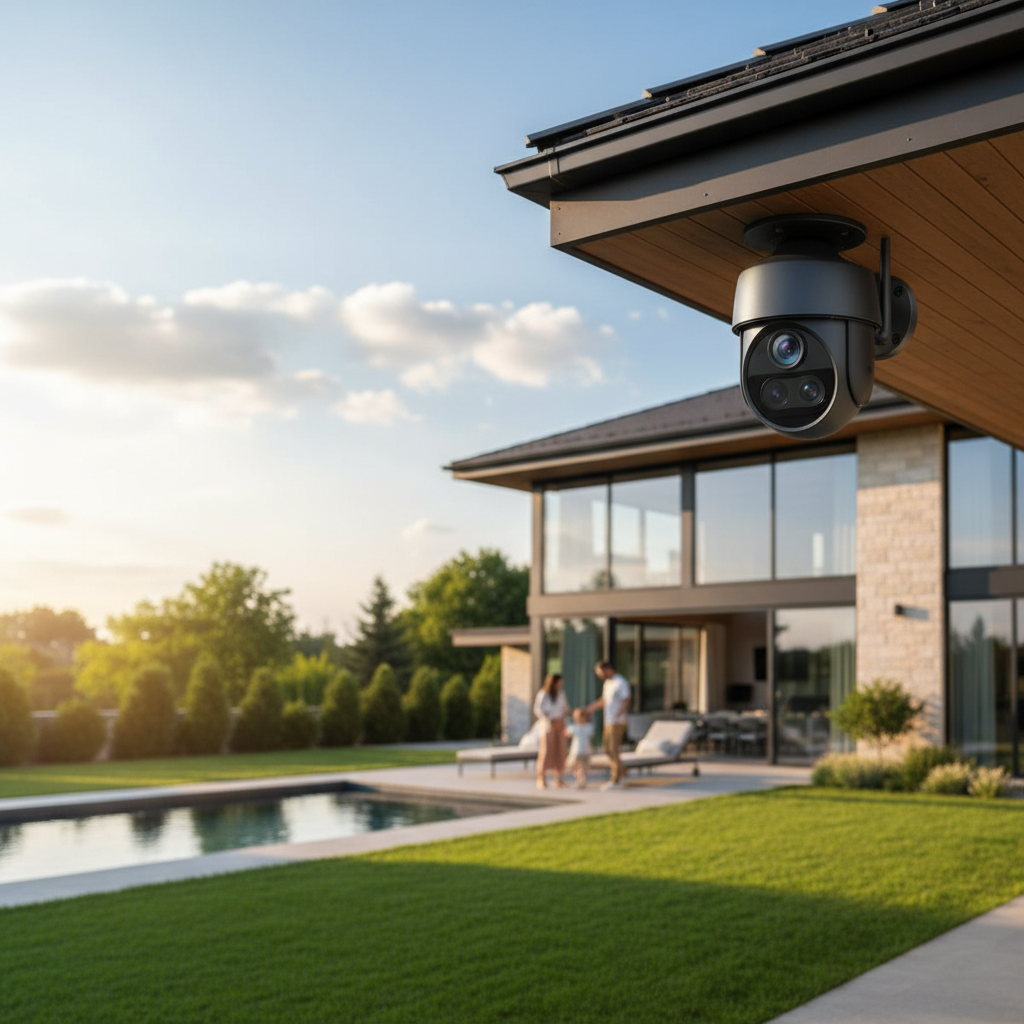
Securing your home and ensuring the safety of your loved ones is a top priority for every homeowner. In an increasingly unpredictable world, outdoor cameras have evolved from luxury gadgets into essential components of a robust home security system. These vigilant eyes provide peace of mind, acting as both a deterrent to potential intruders and a crucial witness when incidents occur. Whether you’re at work, on vacation, or simply in another room, a reliable outdoor camera allows you to remotely monitor your property, identify visitors, and receive instant alerts for any suspicious activity. This comprehensive guide will navigate the complex world of outdoor cameras, breaking down their types, key features, top models, and even how to install and maintain them, ensuring you find the perfect solution to safeguard your home.
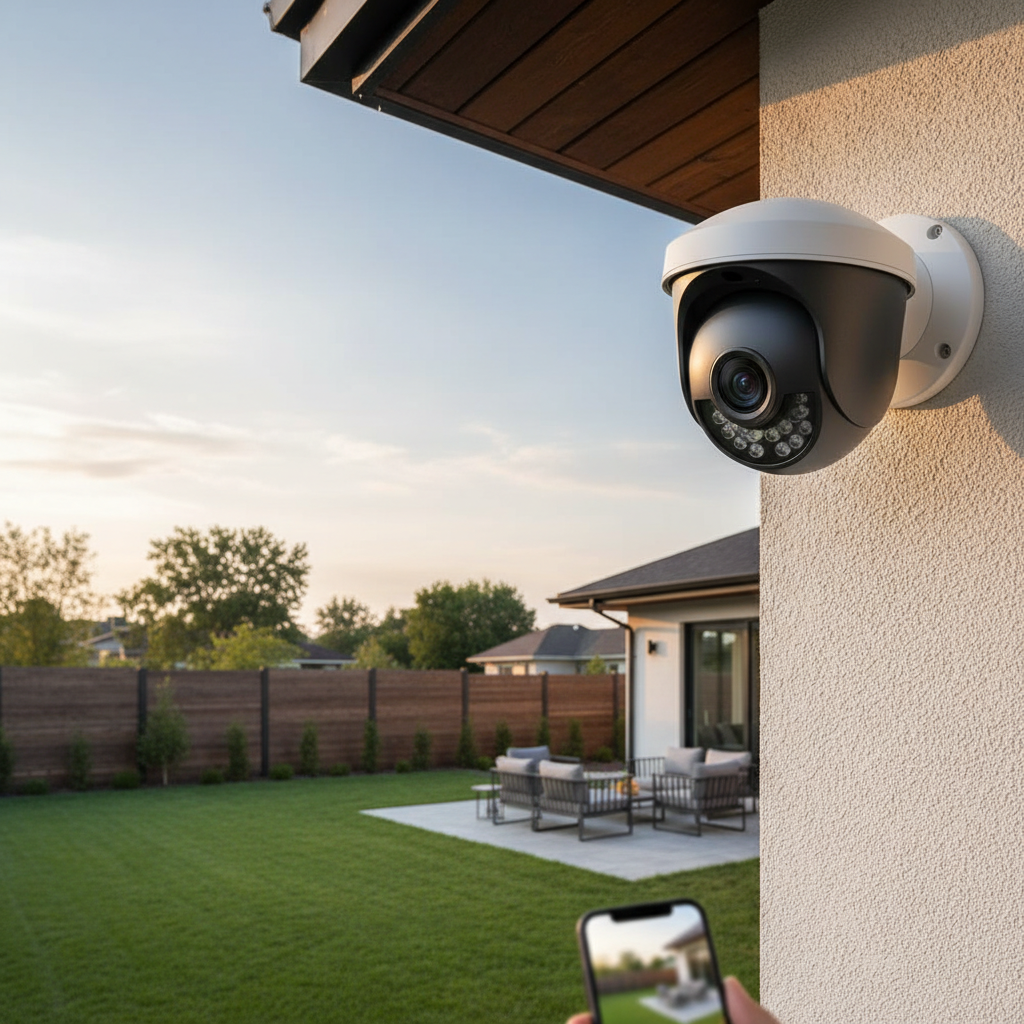
Outdoor Cameras: Your Essential Home Security Solution
Outdoor cameras stand as the first line of defense for your property, providing an unparalleled layer of security that traditional alarm systems alone cannot offer. They proactively deter potential threats by their mere presence and capture critical evidence should an incident occur. Modern statistics highlight the significant role surveillance plays in crime prevention, with visible security cameras often making properties less appealing targets for illicit activities. Beyond deterring crime, these cameras offer immense convenience, allowing homeowners to monitor package deliveries, check on pets, or even greet visitors remotely, all from the palm of their hand.
Popular Types of Outdoor Cameras
The market offers a diverse array of outdoor cameras, each designed with specific technologies and features to cater to varying security needs. Understanding these distinctions is key to making an informed choice.
By Technology:
- Analog Cameras: These traditional cameras transmit video over coaxial cables to a digital video recorder (DVR). While often more affordable, they typically offer lower resolution compared to modern alternatives.
- IP (Internet Protocol) Cameras: IP cameras connect to your network (via Ethernet or Wi-Fi) and stream digital video. They boast higher resolutions (1080p, 2K, 4K, or even 16MP), advanced features like AI analytics, and are generally more flexible in terms of placement and integration.
- Wireless Cameras (Battery, Solar, LTE):
- Battery-Powered Cameras: Offering ultimate flexibility in placement since they don’t require power cables. They run on rechargeable batteries, which need periodic recharging (ranging from weeks to months, or even up to two years for some models).
- Solar-Powered Cameras: These are battery-powered cameras equipped with a solar panel, providing continuous charging and often eliminating the need for manual battery replacement, making them highly sustainable for off-grid locations.
- LTE/Cellular Cameras: Ideal for locations without Wi-Fi access, these cameras transmit data over a cellular network (like 4G LTE), requiring a data plan subscription.
By Features:
- Infrared (IR) Night Vision Cameras: Most cameras include IR LEDs to illuminate scenes in complete darkness, producing clear grayscale video.
- Color Night Vision Cameras: Utilizing spotlights or advanced sensors, these cameras can capture full-color video even in low-light conditions, providing more detail.
- Zoom Cameras: Allow you to magnify specific areas of the footage. This can be digital zoom (pixel-based enlargement) or optical zoom (lens adjustment for clearer magnification).
- PTZ (Pan-Tilt-Zoom) Cameras: These cameras can physically rotate horizontally (pan), vertically (tilt), and zoom in/out, offering dynamic and wide-ranging coverage controlled remotely via an app.
- Two-Way Audio Cameras: Equipped with a microphone and speaker, enabling real-time communication with people on your property, such as delivery drivers or visitors.
- Spotlight Cameras: Integrate LED spotlights that can be manually activated or triggered by motion, illuminating a small area to deter intruders and enhance night vision.
- Floodlight Cameras: Replace existing outdoor floodlights, offering powerful illumination over a wide area, coupled with a camera for surveillance.
Comparison Table: Outdoor Camera Features
Choosing the right outdoor camera involves balancing features with your specific security needs and budget. Here’s a comparison of common features to guide your decision:
| Feature | Basic/Budget Cameras | Mid-Range Cameras | High-End Cameras |
|---|---|---|---|
| Resolution | 1080p (Full HD) | 2K (Quad HD) | 4K (Ultra HD) or higher (e.g., 16MP) |
| Field of View | 110-130 degrees (fixed) | 130-140 degrees (fixed), some PTZ | 140+ degrees (fixed), advanced PTZ (360° pan) |
| Weather Resistance | IP65 (dust tight, protected against water jets) | IP65/IP66 (stronger protection against water) | IP66/IP67 (highly dust/waterproof, wider temp range) |
| Night Vision | IR (grayscale) up to 25 ft | Improved IR, some basic color night vision | Full color night vision, spotlights/floodlights, up to 50+ ft |
| Smart Features | Basic motion detection | Person detection, customizable zones | Person, vehicle, animal, package detection, facial recognition, activity filtering |
| Storage Options | Local (microSD), basic cloud (subscription) | Local (microSD/HomeBase), varied cloud plans | Large local storage (expandable HomeBase), comprehensive cloud options |
| Power Source | Battery (rechargeable), Wired (USB) | Battery, Solar, Wired | Battery, Solar, Wired, LTE |
| Two-Way Audio | Basic | Full-duplex | Full-duplex, clear audio, siren option |
| Approximate Price Range | $30 – $100 | $100 – $300 | $300 – $800+ (per camera/system) |
Key Criteria for Choosing an Outdoor Camera
Selecting the ideal outdoor camera requires careful consideration of several critical factors that impact performance, usability, and long-term satisfaction.
Resolution: The clarity of your video footage is paramount. While 1080p is a good baseline, opting for cameras with 2K, 3K, or 4K resolution provides significantly more detail, which can be crucial for identifying facial features or license plates. Higher resolution allows for clearer digital zooming and better forensic evidence.
Field of View (FOV): This refers to the area the camera can see. A wider field of view (e.g., 130-160 degrees) is excellent for covering large spaces like driveways or backyards with fewer cameras. For targeted areas or dynamic monitoring, cameras with pan-tilt-zoom (PTZ) capabilities offer the flexibility to adjust the viewing angle remotely.
Weather Resistance: Since outdoor cameras are exposed to the elements, robust weatherproofing is essential. Look for an IP (Ingress Protection) rating, typically IP65 or IP66, which indicates protection against dust and water jets (rain, sprinklers). Also, check the operating temperature range to ensure it can withstand local climate extremes.
Night Vision: Most outdoor cameras feature infrared (IR) night vision for clear grayscale footage in darkness. However, for enhanced detail and color recognition at night, consider cameras with built-in spotlights or advanced sensors that enable full-color night vision. The effective range of night vision is also an important specification.
Smart Features: Modern outdoor cameras leverage AI to provide intelligent alerts and reduce false alarms. Key features include:
- Person, vehicle, animal, and package detection: Differentiates between important events and mundane movements (e.g., a branch swaying).
- Customizable motion zones: Allows you to define specific areas for monitoring, ignoring irrelevant activity outside those zones.
- Facial recognition: Identifies familiar faces and alerts you to unfamiliar ones (often a premium feature requiring a subscription).
Storage: How your video footage is saved is a critical decision.
- Local Storage: Many cameras offer microSD card slots or connect to a HomeBase/NVR (Network Video Recorder) for on-device storage. This provides privacy and often avoids monthly fees.
- Cloud Storage: Stores footage on remote servers, accessible from anywhere. Most cloud storage options come with a monthly or annual subscription fee, often unlocking additional features and longer video history.
Power Source: This affects installation flexibility and ongoing maintenance.
- Wired Cameras: Offer continuous power and reliable connectivity but require careful routing of power cables.
- Battery-Powered Cameras: Provide easy installation and placement flexibility but necessitate periodic recharging or battery replacement.
- Solar-Powered Cameras: A great hybrid option, using a solar panel to keep batteries charged, ideal for remote locations without easy access to power outlets.
Top Outdoor Cameras Reviewed
Navigating the vast selection of outdoor cameras can be daunting. Based on extensive testing and user feedback, here are some of the best outdoor cameras available today, each excelling in different aspects of home security.
1. Nest Cam (Battery)
The Nest Cam (battery) is a top contender for its impressive balance of features, ease of use, and integration within the Google ecosystem. It stands out for its sleek design and magnetic base, simplifying installation significantly.
- Pros: Excellent 1080p video quality day and night, free person/animal/vehicle detection, 3 hours of rolling video storage included without a subscription, easy magnetic installation, two-way audio.
- Cons: Non-removable battery, advanced features like familiar face detection require a Nest Aware subscription.
- Key Specs: 1080p resolution, 130-degree field of view, full-duplex audio, local storage for up to an hour if Wi-Fi is down, -4°F to 104°F operating temperature.
- Price: Mid-range.
|
Our Picks for the Best Outdoor camera in 2026
As an Amazon Associate I earn from qualifying purchases.
|
||
| Num | Product | Action |
|---|---|---|
| 1 | WYZE Cam v4 (Latest Model), 2.5K AI Security Camera, Indoor/Outdoor Cameras for Home Security, Baby Monitor & Pet Camera, Vibrant Color Night Vision, No Subscription Required, Free Expert Help |

|
| 2 | Blink Outdoor 4 – Wireless smart security camera, two-year battery life, 1080p HD day and infrared night live view, two-way talk. Sync Module Core included – 3 camera system |
|
| 3 | Security Cameras Wireless Outdoor 355° Pan Rotating 2K Color Night Vision Cameras for Home Security WiFi Battery Outdoor Camera Motion Detection 2-Way Talk IP65 Spotlight Siren SD/Cloud Storage 2 Pack |
|
| 4 | Ring Outdoor Cam Plus, Battery (newest model), Home or business security, Wide-Angle 2K Video with Ring Vision, Low-Light Sight for full-color night vision, Mount-Anywhere Versatility, Black |
|
| 5 | eufy Security 3K Dual Camera, SoloCam S340, Solar Security Cameras Wireless Outdoor, Cameras for Home Security, 360°Coverage, Pan & Tilt, No Blind Spots, No Monthly Fee, HomeBase S380 Compatible |
|
| 6 | aosu Security Cameras Outdoor Wireless, 4 Cam-Kit, No Subscription Required, Solar-Powered, Home Security Cameras System with 360° Pan & Tilt, Auto Tracking, 2K Color Night Vision, Easy Setup |
|
| 7 | GMK Security Cameras Wireless Outdoor 4 Pack, 2K Battery Powered Cameras for Home Security, Color Night Vision, Motion Detection, 2-Way Talk, IP65 Waterproof, Remote Access, Cloud/SD Storage |
|
| 8 | Ring Outdoor Cam (Stick Up Cam), Weather-resistant home or business security camera, outdoor ready, Live View, Color Night Vision, Two-Way Talk, motion alerts, Works with Alexa, White |
|
| 9 | All-new Blink Video Doorbell + Outdoor 4 – Wireless smart security cameras, head-to-toe HD view, two-year battery life. Sync Module Core included – 2 camera system + Video Doorbell |
|
| 10 | 2026 Upgraded 2K Security Cameras Wireless Outdoor, Free Cloud Storage, 1-6 Months Battery Life, Waterproof, 2-Way Talk, AI Motion Detection Spotlight Siren Alarm Cameras for Home Security |
|
2. Eufy SoloCam S340 / EufyCam 3
Eufy’s offerings are renowned for their subscription-free local storage and innovative solar power solutions. The Eufy SoloCam S340 is an excellent example, featuring dual cameras for wide and detailed views. The EufyCam 3 system with HomeBase 3 offers robust expandability.
- Pros: 4K (EufyCam 3) or 3K (S340) resolution, integrated solar panel for continuous power, AI-powered facial recognition, large local storage (up to 16TB with HomeBase 3), two-way audio.
- Cons: Higher upfront cost for the system, facial recognition can take time to train.
- Key Specs: 4K/3K resolution, 135-degree field of view (S340 with dual cameras for wider dynamic range), full color night vision, -4°F to 122°F operating temperature, local storage on HomeBase 3.
- Price: High-end (system).
3. Blink Outdoor 4
For those seeking a reliable and truly wireless solution on a budget, the Blink Outdoor 4 is an excellent choice. It offers impressive battery life and straightforward installation.
- Pros: Highly affordable, up to two-year battery life on two AA batteries, simple setup, person detection (with subscription), local storage via Blink Sync Module.
- Cons: Lacks advanced AI detection (animal, vehicle, package) without subscription, 1080p resolution is basic, primarily works with Alexa.
- Key Specs: 1080p resolution, 135-degree field of view, IR night vision up to 25 feet, -4°F to 113°F operating temperature.
- Price: Budget-friendly.
4. TP-Link Tapo C246D HybridCam Duo
This innovative camera from TP-Link offers a unique dual-camera system, providing both a wide overview and a detailed, pan-tilt-zoom view simultaneously.
- Pros: Dual 2K cameras for comprehensive coverage, pan/tilt/zoom tracking, color night vision, local storage up to 512GB (microSD), affordable cloud storage option.
- Cons: Pan/tilt camera movement can be slightly shaky, night footage not as crisp as some premium models.
- Key Specs: 2K (2304 x 1296) resolution, 125-degree wide FOV with 360/152-degree PTZ, full-duplex audio, -4°F to 122°F operating temperature.
- Price: Mid-range.
5. Reolink Altas PT Ultra
The Reolink Altas PT Ultra is ideal for those who need expansive, dynamic coverage without recurring subscription fees. Its 360-degree pan and tilt capabilities are a major highlight.
- Pros: 4K resolution, continuous 360-degree pan and 90-degree tilt, stellar battery life, no subscription fees for core features, good low-light performance.
- Cons: Operating temperature range is more limited (14°F to 131°F) than some competitors, no HomeKit support.
- Key Specs: 4K resolution, 360-degree pan, 90-degree tilt, full-duplex audio, local storage (microSD, expandable with base station).
- Price: Mid-range.
“A reliable outdoor camera is not just about recording; it’s about intelligent monitoring and proactive deterrence. Look for smart features that filter out false alarms and give you truly actionable insights.” – John Smith, Security Systems Expert
Outdoor Camera Installation Guide
Proper installation is crucial for your outdoor camera’s performance and longevity. Here’s a step-by-step guide to ensure your setup is secure and effective:
- Choose the Right Location: Select a spot that offers an optimal field of view, covering critical entry points or vulnerable areas. Consider mounting the camera high enough to prevent tampering (8-10 feet is common) but accessible for maintenance. Ensure it’s within Wi-Fi range if wireless, or near a power source if wired.
- Gather Tools and Materials: You’ll typically need a drill, screwdriver, mounting screws (often included), a ladder, and potentially cable ties or conduit for wired installations. For battery cameras, ensure batteries are fully charged.
- Prepare the Mounting Surface: Mark drill holes using the camera’s mounting template. Drill pilot holes if necessary. If installing on siding or stucco, use appropriate anchors.
- Mount the Camera: Securely attach the camera’s mounting bracket to the surface. Then, attach the camera to the bracket.
- Connect Power and Network:
- Wired Cameras: Route the power cable to a weatherproof outdoor outlet or connect to existing low-voltage wiring. Ensure all connections are secure and protected from the elements.
- Wireless Cameras (Wi-Fi): Ensure the camera is within strong Wi-Fi signal range. If solar, position the solar panel for maximum sun exposure.
- LTE Cameras: Insert the activated SIM card according to manufacturer instructions.
- Configure Camera Settings via App: Download the manufacturer’s app and follow the on-screen instructions to connect your camera to your Wi-Fi network (if applicable). Set up motion detection zones, sensitivity levels, recording schedules, and notification preferences.
- Test and Adjust: Access the live feed through the app and adjust the camera’s angle and tilt to achieve the desired coverage. Walk through the motion detection zones to ensure triggers are working correctly and notifications are received.
Tips for Using and Maintaining Your Outdoor Camera
To ensure your outdoor camera continues to provide optimal security for years to come, regular care and attention are vital.
- Regular Cleaning: Periodically clean the camera lens and housing to remove dust, dirt, spiderwebs, and water spots. Use a soft, damp cloth for the lens to avoid scratches. Blocked lenses can significantly degrade image quality, especially at night.
- Check Connections and Power: For wired cameras, periodically inspect power cables for wear or damage. For battery-powered units, monitor battery levels via the app and recharge or replace as needed. If using solar panels, ensure they remain free of debris and are positioned for maximum sunlight.
- Update Software: Always keep your camera’s firmware and the accompanying mobile app updated. Manufacturers frequently release updates that improve security, add new features, and fix bugs, enhancing overall performance and protection.
- Protect from Physical Impacts: While most outdoor cameras are weather-resistant, consider additional protection in areas prone to physical impacts, such as low-hanging branches or high-traffic zones. Some cameras offer protective housings or shields.
- Review Settings Periodically: Revisit your camera’s settings in the app every few months. Adjust motion detection sensitivity as seasons change (e.g., fewer alerts from swaying trees in winter) or if you notice an increase in false alarms. Confirm storage settings are as desired.
Buying Guide: What to Know Before You Buy an Outdoor Camera
Before committing to an outdoor camera, a strategic approach will help you pinpoint the best fit for your home security architecture. This guide condenses key considerations to inform your purchase.
Budget Expectations: Outdoor cameras span a wide price range, from under $50 to several hundred dollars for advanced systems. Factor in not just the upfront camera cost, but also potential ongoing expenses like cloud storage subscriptions or cellular data plans, which can significantly add to the total cost of ownership.
Specific Usage Needs: Clearly define what you need the camera to do. Are you primarily looking to deter intruders, monitor a specific entrance, keep an eye on pets, or track package deliveries? Your primary use case will dictate essential features, such as resolution, field of view, and specific AI detection capabilities.
Essential Features: Prioritize the features that are non-negotiable for your security setup. For example, if you live in a harsh climate, robust weather resistance is crucial. If you want to avoid monthly fees, local storage and subscription-free AI detection are important. For large properties, PTZ or wide-angle cameras might be necessary.
Reputable Brands: Stick to well-known and reputable brands like Nest, Eufy, Blink, Ring, Arlo, Wyze, and Reolink. These brands typically offer better product support, more reliable software updates, and stronger security protocols for your data. Researching user reviews and expert recommendations can provide valuable insights into brand reliability.
Warranty and Support: Always check the manufacturer’s warranty policy and the availability of customer support. A good warranty provides peace of mind, while accessible customer support can be invaluable for troubleshooting installation or operational issues.
Conclusion
Investing in an outdoor camera is a proactive step towards enhancing your home’s security and your family’s safety. From deterring potential threats to providing crucial evidence, these devices offer invaluable peace of mind. By carefully considering factors such as resolution, night vision, power source, and smart features, you can select a camera that perfectly aligns with your specific needs and budget. Remember that the best camera is one that you can effectively integrate into your lifestyle, providing reliable surveillance and effortless control. Don’t wait for an incident to occur; empower your home security today and gain the confidence of knowing your property is under a watchful eye. What specific security challenge are you hoping an outdoor camera will help you overcome?
Frequently Asked Questions
Why is there AI in my security camera?
Artificial intelligence in security cameras helps to significantly reduce false alarms by distinguishing between meaningful events (like a person or vehicle) and irrelevant movements (such as swaying tree branches or small animals). This ensures you only receive notifications for what truly matters.
Is it better to have wired or wireless security cameras?
Wired cameras offer continuous power and often more reliable, stable connectivity, making them less susceptible to interference or battery depletion. Wireless cameras, on the other hand, are much easier and less expensive to install due to their flexibility in placement, but require battery management or solar power and a strong Wi-Fi signal.
What security system does not have a monthly fee?
Many outdoor cameras offer free local storage options (via microSD cards or a base station) and basic features without requiring a monthly subscription. Brands like Eufy are particularly known for their comprehensive subscription-free models, though advanced features or cloud storage often come with an optional fee.
Is it better to have a security system or cameras?
Security systems and individual cameras serve different, yet complementary, purposes. A full security system typically includes sensors for doors/windows, alarms, and often professional monitoring services that can contact authorities. Security cameras primarily monitor and record visual activity. For comprehensive protection, a combination of both is often recommended.
What is a good operating temperature range for an outdoor camera?
A good operating temperature range for an outdoor camera generally spans from at least -4°F to 122°F (-20°C to 50°C) to withstand most seasonal temperature fluctuations. For extremely cold climates, some specialized cameras may offer even lower operating temperatures.