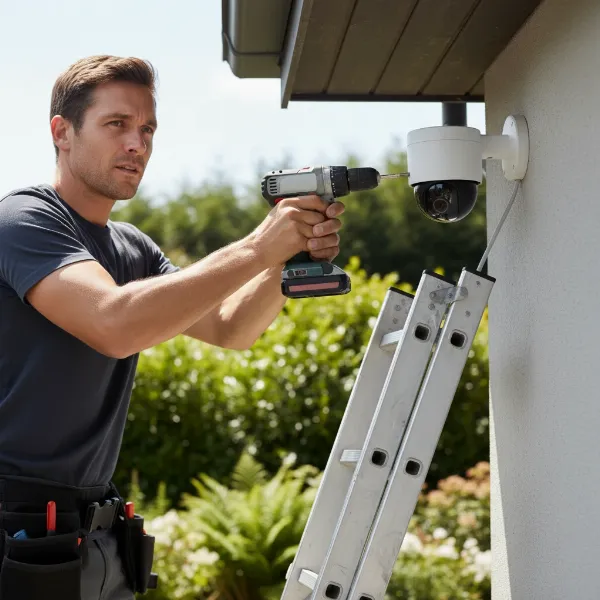
Ensuring the security of your home or business in today’s unpredictable world is paramount. Outdoor cameras serve as your vigilant eyes, offering peace of mind by monitoring your property around the clock. With over a decade of hands-on experience in surveillance technology, I’ve seen firsthand how these devices have evolved from simple recorders to sophisticated smart systems. This guide will delve into the world of outdoor cameras, exploring their types, crucial features, and—most importantly—their durability, helping you select the perfect security solution tailored to your specific needs. Let’s uncover the best choices available to safeguard what matters most.
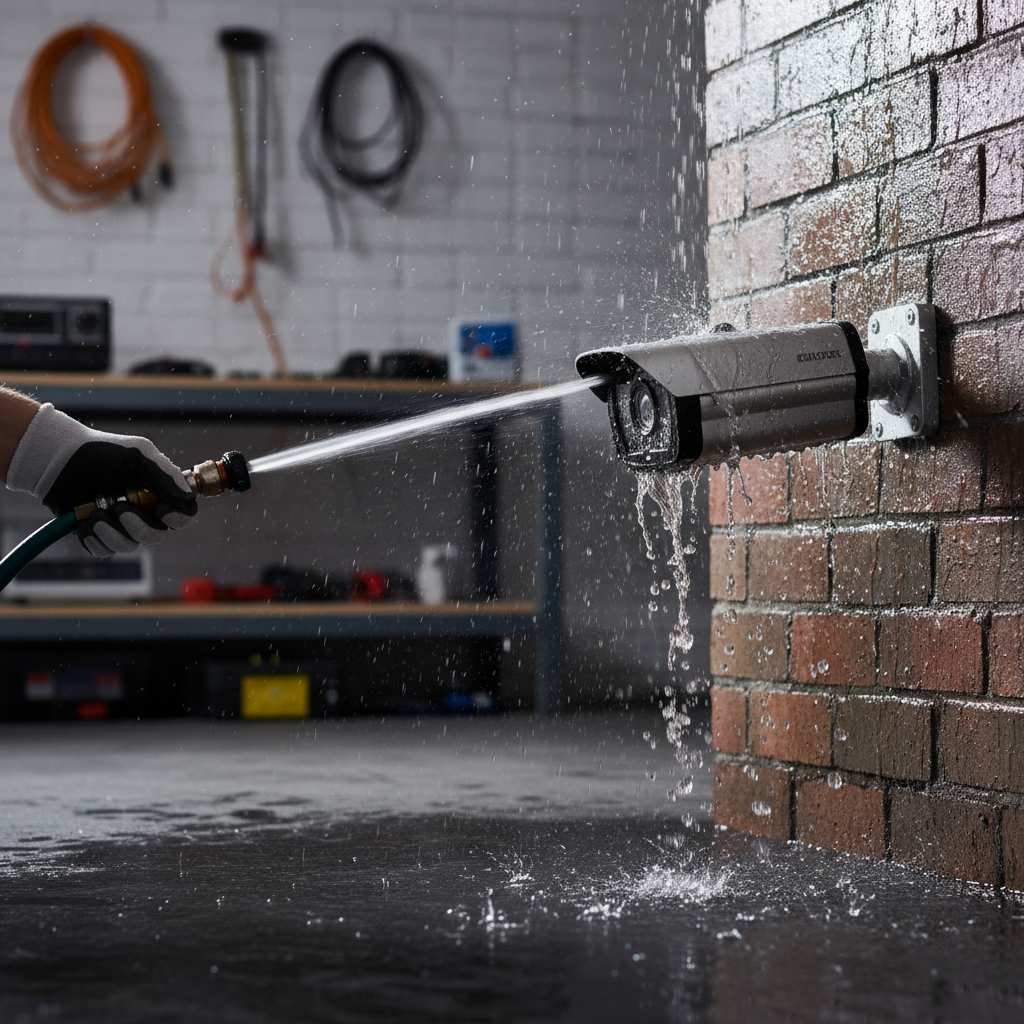
Outdoor Cameras: Essential Security Solutions
Outdoor security cameras are no longer a luxury but a fundamental component of a robust security strategy, acting as both a deterrent and a crucial evidence collector. Crime statistics consistently highlight the effectiveness of visible surveillance in deterring potential intruders. Beyond crime prevention, these cameras offer a wide range of benefits, from monitoring package deliveries to keeping an eye on pets and loved ones playing in the yard. They provide a vital layer of protection, giving homeowners and business owners invaluable visibility into their surroundings.
Popular Types of Outdoor Cameras
The market offers a diverse array of outdoor cameras, each designed with specific functionalities and applications in mind. Understanding these distinctions is key to making an informed decision.
Based on technology, cameras generally fall into two main categories:
- IP Cameras (Internet Protocol): These are digital cameras that send and receive video footage over an IP network. They offer high resolution, advanced features like AI detection, and can be wired (PoE – Power over Ethernet) or wireless.
- Wireless Cameras: These cameras transmit video over Wi-Fi, offering flexible placement without the need for extensive cabling for data. Many are battery-powered, making them “wire-free” for ultimate ease of installation, though they still need a power source (either battery, solar, or a nearby outlet).
- Analog Cameras: While less common in newer consumer-grade systems, analog cameras transmit video over coaxial cables to a digital video recorder (DVR). They are generally more budget-friendly but offer lower resolution compared to IP cameras.
Key features further differentiate camera types:
- Infrared (IR) Cameras: Equipped with IR LEDs for black-and-white night vision in complete darkness.
- Color Night Vision Cameras: Utilize spotlights or advanced sensors (like Sony STARVIS 2) to capture full-color video even in very low light conditions.
- Zoom Cameras: Allow for optical or digital zooming to get closer views of distant objects.
- PTZ (Pan-Tilt-Zoom) Cameras: Offer remote control over horizontal (pan), vertical (tilt), and zoom functions, providing dynamic coverage of a wide area.
- Cameras with Microphones and Speakers: Enable two-way audio communication, allowing you to speak to visitors or deter intruders.
The form factor also plays a role:
- Bullet Cameras: Cylindrical in shape, highly visible, and often used for directional surveillance.
- Dome Cameras: Discreet, housed in a dome casing, making them less prone to tampering and vandalism.
- Turret Cameras (Eyeball Cameras): A hybrid, offering the flexible adjustment of a dome without the dome cover, which can sometimes cause IR reflection.
The choice among these types depends on your specific security requirements, desired features, and installation preferences.
Comparing Outdoor Camera Types
When selecting an outdoor camera, several factors influence the best choice for your property. Here’s a comparison of common types based on crucial criteria:
| Feature | Wired (PoE) IP Camera | Wireless (Wi-Fi) IP Camera | Battery-Powered Wireless Camera |
|---|---|---|---|
| Reliability | High (stable connection, constant power) | Moderate (depends on Wi-Fi signal, power source) | Moderate (depends on Wi-Fi signal, battery life) |
| Installation | Complex (running Ethernet cables for power & data) | Easier (needs power outlet, Wi-Fi signal) | Easiest (no wires for power/data, flexible placement) |
| Durability | High (robust build, often higher IP ratings) | Good (often IP65+, but power cable can be a weak point) | Good (IP65+, but battery performance can be affected by extreme temps) |
| Power Source | Ethernet cable (PoE) | Power adapter (outlet) | Rechargeable battery (often with solar option) |
| Data Storage | NVR, local microSD, cloud | Cloud, local microSD | Cloud, local microSD (often limited free storage) |
| Resolution | Often 2K, 4K, or higher (e.g., 16MP) | Typically 1080p, 2K, sometimes 4K | Typically 1080p, 2K |
| 24/7 Recording | Common | Possible, but can strain Wi-Fi/cloud | Rare (primarily event-based to conserve battery) |
| Cost | Higher upfront for installation, lower long-term | Moderate | Lower upfront, potential subscription costs for features |
[image-1|outdoor-camera-types-comparison|A side-by-side comparison of different outdoor security camera types, including wired, wireless, and battery-powered, highlighting their distinct features and installation methods.|
A three-panel illustration showing a wired PoE camera mounted on a wall with an Ethernet cable, a Wi-Fi camera plugged into an outdoor outlet, and a battery-powered camera with an attached solar panel. Each panel visually represents the power and data transmission method. The style is clean, informative infographic.]
Crucial Criteria for Choosing an Outdoor Camera
Selecting the right outdoor camera involves careful consideration of several technical specifications and features to ensure it meets your security needs and environmental challenges.
Resolution: The clarity of your video footage is paramount for identification. While 1080p (Full HD) is a good starting point, cameras offering 2K (1440p), 3K, or even 4K resolution provide significantly more detail, which can be crucial for identifying faces or reading license plates. Higher resolution also allows for digital zooming into footage without excessive pixelation.
Field of View (FOV): This refers to the area a camera can capture. A wider field of view means fewer cameras are needed to cover a large area. Standard cameras offer angles around 120-160 degrees, while panoramic cameras (sometimes dual-lens) can provide 180 degrees or more, effectively eliminating blind spots. Consider the specific area you need to monitor and choose an FOV that encompasses it without requiring multiple units.
Weather Resistance (IP Ratings): For outdoor cameras, durability against the elements is non-negotiable. This is where the Ingress Protection (IP) rating comes into play. An IP rating consists of two digits: the first indicates protection against solids (dust, debris), and the second indicates protection against liquids (water).
- First Digit (Solids):
0: No protection.6: Dust-tight, complete protection against the entry of dust and other solid particles.
- Second Digit (Liquids):
0: No protection.5: Protection against low-pressure jets of water from any direction (suitable for rain, dust, and light splashes).6: Protection against powerful water jets or heavy seas (can withstand more substantial water spray or rain).7: Protection against temporary immersion in water up to 1 meter deep for 30 minutes (suitable for heavy rain or splashes, but not continuous submersion).8: Protection against continuous immersion in water under specified conditions (ideal for underwater or marine applications).
For most outdoor environments, an IP65 or IP66 rating is sufficient, offering robust protection against rain, snow, and dust. If your camera might be exposed to standing water or extreme conditions, consider IP67 or IP68.
Night Vision: Surveillance doesn’t stop when the sun sets. All modern outdoor cameras offer some form of night vision.
- Infrared (IR) Night Vision: Provides clear black-and-white video in total darkness, with ranges varying from 10 to over 100 feet.
- Color Night Vision: Achieved through integrated spotlights or highly sensitive sensors, these cameras capture full-color video at night, which can provide more contextual and identifiable details.
Smart Features: Advanced analytics significantly enhance a camera’s effectiveness and reduce false alarms.
- AI Detection: The ability to distinguish between people, vehicles, and animals, sending more relevant alerts.
- Motion Zones: Allowing you to define specific areas within the camera’s view for motion detection, ignoring irrelevant movements.
- 3D Motion Detection and Radar: Some advanced cameras use radar to map motion paths, offering more precise detection and reducing false positives caused by environmental factors.
Storage Options: Where your footage is stored impacts accessibility and cost.
- Local Storage: Many cameras support microSD cards or connect to a Network Video Recorder (NVR) or HomeBase for local storage, often without subscription fees. This offers greater privacy and control.
- Cloud Storage: Footage is uploaded to secure cloud servers, accessible from anywhere. Most brands offer subscription plans with varying levels of history and features.
Power Source: This dictates installation flexibility and long-term maintenance.
- Wired (PoE): Power over Ethernet delivers both power and data through a single Ethernet cable, providing stable and continuous operation, ideal for permanent installations.
- Wired (Outlet): Requires a nearby electrical outlet for power, with data often transmitted wirelessly via Wi-Fi.
- Battery-Powered: Offers maximum flexibility in placement as no wiring is needed for power. Battery life varies, and some models include or support solar panels to extend life.
“A camera’s IP rating is crucial; it’s the badge of honor that tells you if it can truly stand up to nature’s wrath.” – Admin, reviewmagz.com
Top 5 Outdoor Cameras on the Market Today
Choosing the best outdoor camera can be challenging with the multitude of options. Based on performance, features, durability, and user feedback, here are five top contenders that stand out for their reliability and advanced capabilities.
1. Reolink Argus 4 Pro
The Reolink Argus 4 Pro consistently earns high praise for its comprehensive feature set and impressive performance. This camera boasts an ultra-wide 180° view in crisp 4K resolution, effectively eliminating blind spots. Its “ColorX” technology ensures full-color night vision even in extreme low-light conditions, without needing noticeable spotlights that might disturb neighbors. It offers flexible power options with a long-lasting battery that can be supplemented by an included solar panel, making it ideal for wire-free installation. The Argus 4 Pro also supports local storage via a microSD card, reducing reliance on costly cloud subscriptions.
- Brand: Reolink
- Pros: 4K UHD 180° panoramic view, ColorX full-color night vision, flexible battery/solar power, local storage, IP66 weather resistance.
- Cons: The accompanying app can have a slight learning curve for some users.
- Price: Premium range, offering excellent value for its advanced features.
|
Our Picks for the Best Outdoor camera in 2026
As an Amazon Associate I earn from qualifying purchases.
|
||
| Num | Product | Action |
|---|---|---|
| 1 | 2026 Upgraded 2K Security Cameras Wireless Outdoor, Free Cloud Storage, 1-6 Months Battery Life, Waterproof, 2-Way Talk, AI Motion Detection Spotlight Siren Alarm Cameras for Home Security |

|
| 2 | eufy Security 3K Dual Camera, SoloCam S340, Solar Security Cameras Wireless Outdoor, Cameras for Home Security, 360°Coverage, Pan & Tilt, No Blind Spots, No Monthly Fee, HomeBase S380 Compatible |
|
| 3 | aosu Security Cameras Outdoor Wireless, 4 Cam-Kit, No Subscription Required, Solar-Powered, Home Security Cameras System with 360° Pan & Tilt, Auto Tracking, 2K Color Night Vision, Easy Setup |
|
| 4 | Security Cameras Wireless Outdoor 355° Pan Rotating 2K Color Night Vision Cameras for Home Security WiFi Battery Outdoor Camera Motion Detection 2-Way Talk IP65 Spotlight Siren SD/Cloud Storage 2 Pack |
|
| 5 | All-new Blink Video Doorbell + Outdoor 4 – Wireless smart security cameras, head-to-toe HD view, two-year battery life. Sync Module Core included – 2 camera system + Video Doorbell |
|
| 6 | Ring Outdoor Cam Plus, Battery (newest model), Home or business security, Wide-Angle 2K Video with Ring Vision, Low-Light Sight for full-color night vision, Mount-Anywhere Versatility, Black |
|
| 7 | WYZE Cam v4 (Latest Model), 2.5K AI Security Camera, Indoor/Outdoor Cameras for Home Security, Baby Monitor & Pet Camera, Vibrant Color Night Vision, No Subscription Required, Free Expert Help |
|
| 8 | Blink Outdoor 4 – Wireless smart security camera, two-year battery life, 1080p HD day and infrared night live view, two-way talk. Sync Module Core included – 3 camera system |
|
| 9 | Ring Outdoor Cam (Stick Up Cam), Weather-resistant home or business security camera, outdoor ready, Live View, Color Night Vision, Two-Way Talk, motion alerts, Works with Alexa, White |
|
| 10 | GMK Security Cameras Wireless Outdoor 4 Pack, 2K Battery Powered Cameras for Home Security, Color Night Vision, Motion Detection, 2-Way Talk, IP65 Waterproof, Remote Access, Cloud/SD Storage |
|
2. Arlo Pro 5S
The Arlo Pro 5S is a powerhouse when it comes to intelligent detection and crystal-clear video. It captures footage in 2K HDR, providing vivid details both day and night, thanks to its integrated spotlight for color night vision. What sets it apart is its advanced AI, capable of distinguishing between people, vehicles, pets, and even detecting fire, sending highly specific alerts. The Arlo ecosystem is known for its polished app experience and seamless smart home integration. While it’s battery-powered for easy installation, a subscription is recommended to unlock its full potential, including cloud storage and advanced detection features.
- Brand: Arlo
- Pros: 2K HDR video, superior object and fire detection, color night vision, dual-band Wi-Fi for stable connection, IP65 weather resistance.
- Cons: Requires a subscription for most advanced features and cloud storage; local storage requires a separate base station.
- Price: High-end, reflecting its advanced features and ecosystem.
3. Google Nest Cam (Battery)
For those seeking continuous surveillance, the Google Nest Cam (Battery) offers a standout feature: 24/7 live recording when wired with a Nest Aware Plus subscription. This wireless camera provides excellent 1080p video quality and smart motion detection that accurately identifies people, animals, and vehicles. Its versatile power options allow it to be used wirelessly with a battery or wired for constant power and 24/7 recording. The integration with the Google Home ecosystem is seamless, and its aesthetic design blends well with modern homes.
- Brand: Google Nest
- Pros: 24/7 continuous recording (with subscription and wired power), smart detection, good video quality, flexible power (battery/wired/solar option), IP54 weather resistance.
- Cons: Lower resolution (1080p) compared to some competitors; lacks a built-in siren or spotlight.
- Price: Mid-to-high range, with subscription costs for full features.
4. Eufy SoloCam S340
The Eufy SoloCam S340 is an excellent choice for users prioritizing dual-camera functionality and solar power. This innovative camera features two lenses—a wide-angle for detection and a telephoto for detailed identification—which can pan, tilt, and zoom to track subjects. It boasts 3K resolution and includes an integrated solar panel, promising extended battery life without frequent manual recharging. Eufy’s AI subject recognition follows movement, while the user-friendly app offers extensive control over settings. It supports local storage, reducing the need for recurring fees, making it a strong contender for long-term value.
- Brand: Eufy
- Pros: Dual cameras (wide-angle & telephoto), 3K resolution, solar-powered, AI tracking, pan-tilt-zoom, local storage, IP65 weather resistance.
- Cons: Can be relatively expensive; high-resolution dual-camera footage can consume local storage quickly.
- Price: Premium range.
5. Blink Outdoor 4
The Blink Outdoor 4 stands out as a top-tier budget-friendly option known for its exceptional ease of setup and long battery life. This compact camera offers 1080p video, making it suitable for basic coverage. Its wire-free design and simple app-guided installation mean you can have it up and running in minutes, and its integration with Alexa makes it a great choice for smart homes. While it’s a basic model in terms of advanced analytics and resolution, its reliability and minimal maintenance requirements make it highly appealing for straightforward outdoor monitoring.
- Brand: Blink
- Pros: Very easy DIY installation, excellent battery life (up to two years on AA batteries), compact design, strong Alexa integration, IP65 weather resistance.
- Cons: 1080p resolution, fewer advanced features without a subscription, limited integrations outside Alexa.
- Price: Budget-friendly, especially during sales.
Installing Your Outdoor Camera
Proper installation is crucial for your outdoor camera’s performance and longevity. Follow these steps to ensure a secure and effective setup:
- Choose the Right Location:
- Strategic Placement: Identify key access points (front door, back door, garage, driveway, windows) and areas of concern.
- Optimal Height: Aim for 8-10 feet above the ground to get a wide view while being out of easy reach for tampering.
- Avoid Glare: Position the camera to avoid direct sunlight or strong artificial lights that can overexpose footage or activate color night vision unnecessarily.
- Consider Connectivity: For wireless cameras, ensure a strong Wi-Fi signal. For wired cameras, plan cable routes carefully.
- Gather Tools and Materials:
- You’ll typically need a drill, screwdriver, mounting hardware (usually included), a ladder, and potentially wire strippers or cable clips for wired installations.
- Mount the Camera:
- Securely attach the camera’s mount to a sturdy surface using the provided screws. Many cameras offer flexible magnetic mounts or screw-in bases.
- Adjust the camera’s angle to cover the desired area.
- Connect Power and Network:
- Wired Cameras (PoE): Run an Ethernet cable from your router/PoE switch to the camera.
- Wired Cameras (Outlet): Plug the power adapter into an outdoor-rated electrical outlet.
- Battery-Powered Cameras: Insert charged batteries. If using a solar panel, connect it to the camera and mount it in a location with ample sunlight.
- Configure and Test:
- Download the camera’s companion app and follow the on-screen instructions for initial setup.
- Connect the camera to your Wi-Fi network (if wireless) or ensure the wired connection is active.
- Configure motion detection zones, notification preferences, and storage settings.
- Test the live view, two-way audio, and night vision to ensure everything is functioning correctly and the coverage is optimal. Make any necessary adjustments to the camera’s angle or settings.
Tips for Using and Maintaining Your Outdoor Camera
Regular use and maintenance extend the lifespan of your outdoor camera and ensure its consistent performance.
- Regular Cleaning: Dust, dirt, spiderwebs, and water spots can accumulate on the lens and housing, degrading image quality. Gently clean the lens with a soft, damp cloth periodically. Avoid harsh chemicals that could damage the lens coating.
- Check Connections and Power: For wired cameras, inspect cables for damage or loose connections. For battery-powered units, monitor battery life regularly, especially in cold weather which can reduce performance. If using solar, ensure the panel is clean and unobstructed.
- Software Updates: Keep your camera’s firmware and companion app updated. Manufacturers frequently release updates that improve security, add new features, and fix bugs.
- Protect from Physical Impact: While many outdoor cameras are durable, avoid placing them in locations where they are highly susceptible to physical impact from branches, balls, or potential vandalism. Consider protective housings for cameras in vulnerable areas.
- Optimize Settings: Adjust motion sensitivity to reduce false alerts, especially in windy conditions or areas with frequent animal activity. Use event-only recording rather than continuous streaming if bandwidth or storage is a concern.
- Monitor Storage: Regularly check your local storage (microSD card/NVR) to ensure it’s not full. If using cloud storage, be aware of your subscription limits and history retention.
Buying Guide: What You Need to Know Before Purchasing an Outdoor Camera
Navigating the market for an outdoor camera can be overwhelming. Here’s a concise buying guide to help you make an informed decision:
- Define Your Needs and Budget: Clearly outline what you want to achieve with the camera (e.g., deter crime, monitor deliveries, watch pets) and how many cameras you need. This will help determine your budget, as prices vary widely based on features and brand. Remember to factor in potential ongoing subscription costs for cloud storage or advanced AI.
- Prioritize Durability (IP Rating): Always check the IP rating. For typical outdoor use, IP65 or IP66 is a good baseline. If your environment experiences extreme weather or potential water submersion, aim for IP67 or IP68.
- Consider Power and Connectivity: Do you prefer the reliability of wired (PoE) power and data, or the installation flexibility of wireless/battery-powered options? Assess your property’s layout and electrical access. Solar panels are a great addition for battery cameras to minimize charging.
- Evaluate Image Quality and Night Vision: Opt for at least 1080p resolution; 2K or 4K offers superior detail. Decide if you need basic IR night vision or prefer the enhanced clarity of color night vision.
- Look for Smart Features: AI detection for people, vehicles, and pets significantly improves alert relevance. Motion zones and two-way audio are also valuable additions.
- Storage Preferences: Decide between local storage (microSD, NVR, HomeBase) for privacy and no recurring fees, or cloud storage for remote access and convenience (often with a subscription).
- Ecosystem Compatibility: If you have existing smart home devices (Alexa, Google Home, Apple HomeKit), ensure your chosen camera integrates seamlessly.
- Research Brands and Warranties: Stick to reputable brands known for quality and customer support. Check warranty policies for peace of mind.
Ultimately, the best outdoor camera for you is one that perfectly balances high-quality performance with robust durability, ensuring long-term security tailored to your unique requirements.
Conclusion
The evolution of outdoor camera technology has truly transformed home and business security, offering unparalleled vigilance and control. From crystal-clear 4K video to intelligent AI detection and resilient weatherproofing, today’s outdoor cameras are more sophisticated and user-friendly than ever before. Understanding critical features like IP ratings, resolution, and power options empowers you to make a decision that protects your property effectively. By carefully considering your specific needs, you can confidently choose an outdoor camera that stands guard, providing invaluable peace of mind through every season and in every scenario.
What aspects of outdoor camera technology are most crucial for your sense of security?
Frequently Asked Questions
What IP rating is generally recommended for outdoor security cameras?
For most outdoor environments, an IP65 or IP66 rating is highly recommended. IP65 ensures the camera is dust-tight and protected against low-pressure water jets, while IP66 offers protection against more powerful water jets, making them ideal for resisting rain, snow, and dust effectively.
Can outdoor security cameras operate without a Wi-Fi connection?
Yes, some outdoor security cameras can operate without Wi-Fi. Many models offer local storage options via a microSD card or connect to a Network Video Recorder (NVR) for continuous recording, even if the internet connection is lost. However, features like remote viewing, cloud storage, and real-time alerts typically require a Wi-Fi connection.
How does cold weather impact battery-powered outdoor cameras?
Cold weather can significantly reduce the efficiency and lifespan of batteries in outdoor cameras. Lithium-ion batteries, commonly used in these devices, perform less effectively in freezing temperatures, leading to shorter battery life and more frequent recharging. Cameras with solar panel options can help mitigate this by continuously recharging the battery during daylight hours.
Is it possible to use an indoor camera outdoors?
It is strongly advised against using an indoor camera outdoors. Indoor cameras lack the necessary weatherproofing (IP rating) and are not designed to withstand extreme temperatures, humidity, rain, snow, or dust. Using an indoor camera outdoors will likely lead to damage and system failure, compromising your security.
What is the typical lifespan of a well-maintained outdoor security camera?
A well-maintained outdoor security camera, especially one with a good IP rating and from a reputable brand, can typically last anywhere from 5 to 10 years or even longer. Factors like extreme weather exposure, quality of installation, consistent software updates, and regular cleaning contribute significantly to its longevity.
Do all outdoor security cameras require a monthly subscription?
No, not all outdoor security cameras require a monthly subscription. Many cameras offer local storage options such as microSD card slots or compatibility with NVRs/HomeBases, allowing you to store footage without recurring fees. However, advanced features like cloud storage, AI-powered alerts, and extended video history are often bundled into optional paid subscription plans.