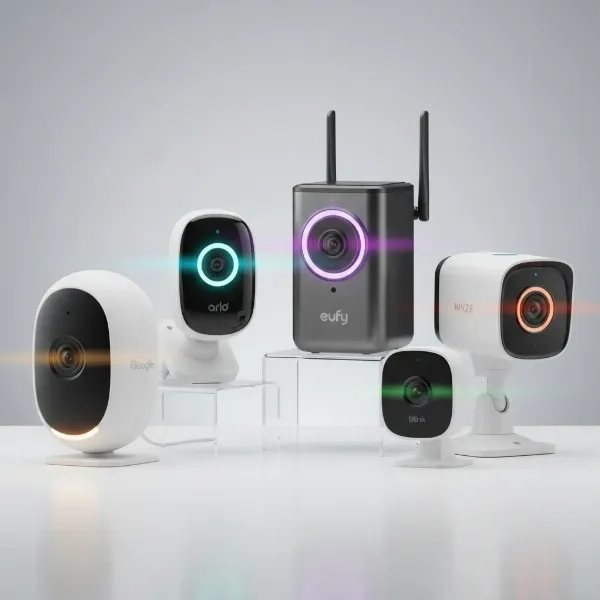
Securing your home no longer requires an elaborate, costly system. With today’s advanced outdoor cameras, peace of mind is more accessible than ever, transforming how we monitor and protect our properties. These vigilant eyes offer real-time alerts and recorded evidence, acting as a crucial first line of defense against potential threats. Whether deterring intruders or simply keeping an eye on your garden, an effective outdoor camera system is an essential investment for any modern homeowner. This comprehensive guide, informed by extensive real-world testing, will help you navigate the features, types, installation, and maintenance of outdoor cameras to find the perfect fit for your security needs.
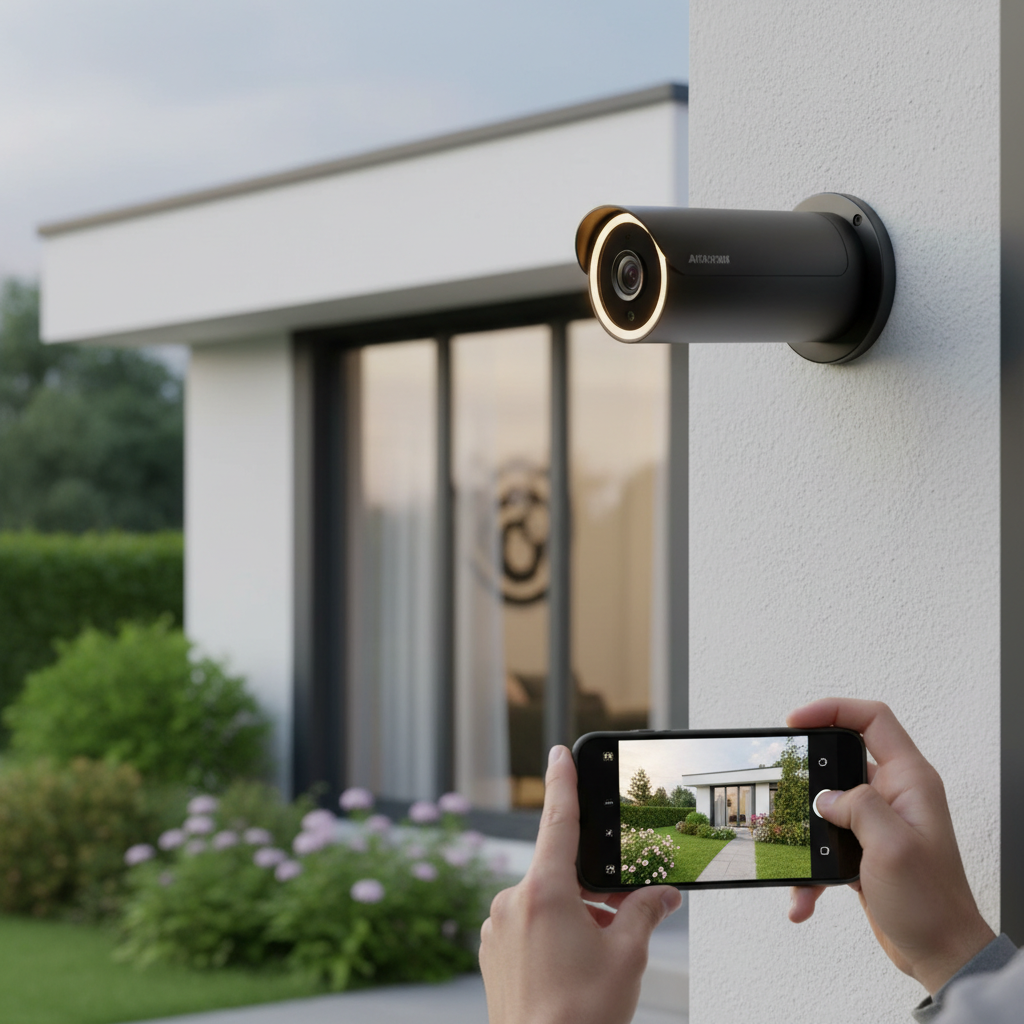
Outdoor Cameras: An Essential Security Solution
Outdoor cameras are more than just gadgets; they are fundamental components of a robust home security system, providing constant vigilance over your property. They serve multiple critical functions, from deterring potential criminals with their visible presence to capturing invaluable footage for identification and evidence. Statistics consistently show that homes with visible security cameras are less likely to be targeted by burglars, highlighting their significant role in crime prevention. Beyond deterring crime, these cameras allow you to monitor deliveries, check on pets, or simply observe your surroundings, offering a layer of comfort and control in an unpredictable world. They are designed to withstand diverse environmental conditions, ensuring your property remains protected 24/7, rain or shine.
Popular Types of Outdoor Cameras
The market offers a wide array of outdoor cameras, each with unique features and best-suited applications. Understanding the different types available is the first step in selecting the right camera for your specific requirements.
Based on Technology:
- Analog Cameras: These traditional cameras connect to a Digital Video Recorder (DVR) via coaxial cables. While generally more affordable, they offer lower resolution compared to modern alternatives.
- IP Cameras (Internet Protocol): Connecting to your network via Ethernet, IP cameras deliver high-resolution digital video, often up to 4K. They typically offer advanced features like Power over Ethernet (PoE), simplifying installation.
- Wireless Cameras: These cameras transmit video over Wi-Fi, offering flexible placement options since they don’t require video cables. Many are battery-powered, making installation even easier, though battery life can vary.
Based on Features:
- Infrared (IR) Cameras: Equipped with IR LEDs, these cameras provide clear black-and-white night vision in complete darkness.
- Color Night Vision Cameras: Utilizing spotlights or advanced low-light sensors, these models can capture full-color video even at night, offering more detail.
- Zoom Cameras: Allowing you to optically or digitally zoom into specific areas, these are useful for monitoring distant objects or individuals.
- PTZ (Pan-Tilt-Zoom) Cameras: These offer the ability to remotely pan horizontally, tilt vertically, and zoom, providing a wide area of coverage with a single camera.
- Cameras with Two-Way Audio: Featuring a built-in microphone and speaker, these allow you to listen in and speak to visitors or deter intruders from afar.
Based on Shape:
- Bullet Cameras: Easily identifiable by their elongated, cylindrical shape, bullet cameras are designed for outdoor use and often have a visible deterrent effect.
- Dome Cameras: Encased in a protective dome, these cameras are more discreet and vandal-resistant, making it harder to tell which direction they are pointing.
- Turret Cameras (Eyeball Cameras): A hybrid between bullet and dome, they have a ball-and-socket design within a compact housing, offering flexible angling while being less conspicuous than bullet cameras.
Each type comes with its own set of advantages and disadvantages. For instance, wireless cameras offer unmatched flexibility but require battery management, while wired IP cameras provide stable, continuous recording but need careful cable planning.
Key Criteria for Choosing an Outdoor Camera
Selecting the ideal outdoor camera involves evaluating several critical factors to ensure it meets both your security needs and environmental conditions.
Resolution: Clarity is King
|
Our Picks for the Best Outdoor camera in 2026
As an Amazon Associate I earn from qualifying purchases.
|
||
| Num | Product | Action |
|---|---|---|
| 1 | Blink Outdoor 4 – Wireless smart security camera, two-year battery life, 1080p HD day and infrared night live view, two-way talk. Sync Module Core included – 3 camera system |

|
| 2 | eufy Security 3K Dual Camera, SoloCam S340, Solar Security Cameras Wireless Outdoor, Cameras for Home Security, 360°Coverage, Pan & Tilt, No Blind Spots, No Monthly Fee, HomeBase S380 Compatible |
|
| 3 | WYZE Cam v4 (Latest Model), 2.5K AI Security Camera, Indoor/Outdoor Cameras for Home Security, Baby Monitor & Pet Camera, Vibrant Color Night Vision, No Subscription Required, Free Expert Help |
|
| 4 | aosu Security Cameras Outdoor Wireless, 4 Cam-Kit, No Subscription Required, Solar-Powered, Home Security Cameras System with 360° Pan & Tilt, Auto Tracking, 2K Color Night Vision, Easy Setup |
|
| 5 | Ring Outdoor Cam Plus, Battery (newest model), Home or business security, Wide-Angle 2K Video with Ring Vision, Low-Light Sight for full-color night vision, Mount-Anywhere Versatility, Black |
|
| 6 | 2026 Upgraded 2K Security Cameras Wireless Outdoor, Free Cloud Storage, 1-6 Months Battery Life, Waterproof, 2-Way Talk, AI Motion Detection Spotlight Siren Alarm Cameras for Home Security |
|
| 7 | GMK Security Cameras Wireless Outdoor 4 Pack, 2K Battery Powered Cameras for Home Security, Color Night Vision, Motion Detection, 2-Way Talk, IP65 Waterproof, Remote Access, Cloud/SD Storage |
|
| 8 | All-new Blink Video Doorbell + Outdoor 4 – Wireless smart security cameras, head-to-toe HD view, two-year battery life. Sync Module Core included – 2 camera system + Video Doorbell |
|
| 9 | Security Cameras Wireless Outdoor 355° Pan Rotating 2K Color Night Vision Cameras for Home Security WiFi Battery Outdoor Camera Motion Detection 2-Way Talk IP65 Spotlight Siren SD/Cloud Storage 2 Pack |
|
| 10 | Ring Outdoor Cam (Stick Up Cam), Weather-resistant home or business security camera, outdoor ready, Live View, Color Night Vision, Two-Way Talk, motion alerts, Works with Alexa, White |
|
The resolution of your camera directly impacts the clarity and detail of the footage. While 1080p (Full HD) is a good baseline, newer models offer 2K or even 4K Ultra HD, providing sharper images that are essential for identifying faces, license plates, or other crucial details. Higher resolution footage can be particularly vital for evidence gathering.
Field of View: Covering Your Angles
The field of view (FoV) refers to the area the camera can see. A wider FoV, typically between 120 and 180 degrees, helps minimize blind spots and can reduce the number of cameras needed to cover a specific area. Consider what areas you need to monitor and choose a camera that can adequately cover them.
Weather Resistance: Built for the Outdoors
Outdoor cameras must endure challenging weather conditions, from heavy rain and snow to intense sun and extreme temperatures. Look for cameras with an IP (Ingress Protection) rating of IP65 or higher, indicating resistance to dust and water. A sturdy build from high-grade metals or impact-resistant plastics also contributes to durability and longevity.
Night Vision: Seeing in the Dark
Criminal activity often increases after dark, making robust night vision indispensable. Cameras typically use infrared (IR) LEDs for black-and-white night vision. Advanced models feature color night vision, often achieved through built-in spotlights or highly sensitive low-light sensors, providing more discernible details. Ensure the camera specifies a night vision range sufficient for your property, usually 30-50 feet.
Smart Features: Beyond Basic Recording
Modern outdoor cameras come equipped with intelligent features that significantly enhance their effectiveness:
- Motion Detection and Smart Alerts: Advanced systems can differentiate between people, vehicles, and animals, reducing false alarms. Customizable activity zones allow you to focus alerts on specific areas.
- Two-Way Audio: Enables you to communicate with visitors or warn off suspicious individuals remotely.
- Facial Recognition: Some premium cameras can identify familiar faces, further refining alerts.
Storage Options: Where Your Footage Lives
Consider how your video footage will be stored:
- Local Storage: MicroSD cards or Network Video Recorders (NVRs) keep footage on-site, offering privacy and often subscription-free operation.
- Cloud Storage: Footage is uploaded to secure servers, accessible from anywhere. This provides an extra layer of security, as footage remains safe even if the camera is damaged or stolen, though it typically requires a subscription.
Power Options: Wired, Wireless, or Solar
- Wired Cameras: Offer continuous power and reliable connectivity but require careful planning for cable routing.
- Battery-Powered Wireless Cameras: Provide installation flexibility but need periodic recharging or battery replacement.
- Solar-Powered Cameras: Often paired with battery-powered models, these use integrated or external solar panels for continuous charging, ideal for off-grid locations.
Top Outdoor Cameras for Everyday Use
Based on extensive testing and user feedback, several outdoor cameras consistently stand out for their reliability, feature set, and performance in real-world scenarios. Here’s a look at some of the best options available today:
- Nest Cam (Battery): Praised for its excellent design, ease of installation, and smart detections (people, vehicles, animals). It offers 1080p resolution, 130-degree field of view, and up to three hours of local video storage without a subscription. A Nest Aware subscription unlocks familiar face detection and extended cloud history.
- Blink Outdoor 4: An excellent budget-friendly, truly wireless option, boasting up to two years of battery life on AA batteries. It delivers 1080p video, improved night vision, and a wider field of view compared to its predecessors. It’s especially user-friendly and integrates well with Alexa.
- EufyCam 3 / Eufy SoloCam S340: Known for its subscription-free local storage (often via HomeBase 3) and integrated solar panels, providing continuous power. The S340 model offers 3K resolution, 360-degree pan-and-tilt capabilities, and effective AI smarts.
- Arlo Pro Series (e.g., Arlo Pro 4 Wireless): Offers 2K HDR video, color night vision, a wide 160-degree field of view, and an integrated spotlight with a siren. Installation is straightforward, and it’s recognized for its consistent performance and AI-driven detections.
- SimpliSafe Outdoor Camera: Stands out for its robust security features, including 1080p video, a 140-degree field of view, an integrated spotlight, and a 90 dB siren. Its “Active Guard Outdoor Protection” allows monitoring agents to actively deter threats, though this requires a premium monitoring plan.
- Ring Spotlight Cam Pro: Features two LED spotlights, “Bird’s Eye View” for an aerial perspective, and reliable motion detection. It’s battery-powered for easy setup and can withstand harsh temperatures. A Ring Protect subscription is needed for video history.
- Wyze Cam Outdoor v2 / Wyze Battery Cam Pro: Offers excellent value for its price. The Battery Cam Pro includes a built-in light and impressive battery life, while the Wyze Cam Outdoor v2 is a solid choice for remote monitoring.
Choosing among these depends on your specific priorities, such as resolution needs, battery versus wired preferences, and whether subscription costs are a concern.
Installing Your Outdoor Camera
Proper installation is crucial for maximizing your outdoor camera’s effectiveness and ensuring its longevity. While professional installation is recommended for wired systems, many wireless cameras are designed for DIY setup.
- Strategic Placement: Walk around your property to identify key areas. Front doors, back doors, windows not visible from the street, driveways, and garages are common targets. Position cameras 8 to 10 feet off the ground to deter tampering and capture a good angle of people approaching. Avoid aiming directly into the sun or at reflective surfaces to prevent glare.
- Tools and Materials: Gather necessary tools like a drill, screws, screwdriver, ladder, and if wired, weatherproof Ethernet cables (Cat5e or Cat6), waterproof RJ45 couplers, and junction boxes.
- Power and Network Connectivity: For wired cameras, plan cable runs discreetly, protecting them with conduit or weatherproof boxes. For wireless models, ensure your Wi-Fi signal is strong enough at the camera’s intended location. You might need a Wi-Fi extender outdoors or a mesh router system.
- Mounting the Camera: Securely attach mounting brackets and then the camera. Adjust the angle to cover the desired area with minimal obstructions from plants or tree branches.
- Configuration and Testing: Follow the manufacturer’s app-based instructions to connect the camera to your network. Configure settings for resolution, motion detection sensitivity, and alert preferences. Always test the live feed, night vision, and motion alerts before finalizing the installation.
“A well-placed camera isn’t just about recording; it’s about seeing what needs to be seen and giving you actionable intelligence, not just noise.” – Peter Marks, Photographer & Security Camera Tester.
Maintaining Your Outdoor Camera
Regular maintenance extends the life of your outdoor camera and ensures it performs optimally when you need it most.
- Routine Cleaning: Outdoor cameras are exposed to elements that can obscure the lens. Clean lenses monthly using a microfiber cloth and a lens-specific cleaning solution. Use compressed air to gently remove dust, spider webs, and debris from the camera body. Avoid harsh chemicals or abrasive materials.
- Check Connections and Power: Periodically inspect power cables for wear or damage, especially in wired setups. For battery-powered cameras, monitor battery life and recharge/replace as needed. Verify that Wi-Fi connections are strong and stable.
- Firmware Updates: Manufacturers frequently release firmware updates to improve performance, add features, and patch security vulnerabilities. Keep your camera’s software up to date, ideally by enabling automatic updates.
- Clear Obstructions: Regularly check for and remove any new obstructions like overgrown vegetation, bird nests, or new structures that might block the camera’s field of view.
- Test Functionality: Occasionally test recording, playback, and alert notifications to confirm everything is working correctly. This proactive approach helps identify and address issues before they become critical.
- Weather Protection: If your camera doesn’t have built-in protection, consider adding sun shields or weatherproof housings to prolong its life, especially in extreme climates. For dome cameras, check for condensation and re-seal if necessary.
Buying Guide: Essential Knowledge Before Your Purchase
Before making a final decision on an outdoor camera, consider these critical aspects to ensure your investment aligns perfectly with your expectations and security goals.
- Budget Assessment: Determine your budget, considering not only the camera’s upfront cost but also potential long-term expenses like cloud storage subscriptions or professional installation.
- Specific Needs: What exactly do you need the camera for? Is it for general surveillance, deterring specific threats, monitoring deliveries, or observing wildlife? Your primary use case will guide your feature requirements.
- Required Features: Prioritize the features most important to you: high resolution, specific night vision capabilities (color vs. IR), smart detection types (people, vehicles), two-way audio, or continuous recording.
- Reputable Brands: Opt for cameras from well-established brands known for their reliability, customer support, and commitment to security updates. Brands like Google Nest, Arlo, Eufy, Ring, and SimpliSafe are often recommended.
- Warranty and Support: Check the warranty period and the availability of customer support. A good warranty provides peace of mind, and accessible support can be invaluable for troubleshooting.
Conclusion
Outdoor cameras are more than just security devices; they are a vital extension of your home’s protection, offering unparalleled insight and control over your property. From deterring crime to capturing cherished moments, a well-chosen and properly maintained outdoor camera provides invaluable peace of mind for everyday use. By understanding the diverse types, crucial features, and best practices for installation and maintenance, you can confidently select a system that truly meets your needs. Investing in an outdoor camera is investing in your home’s future safety and your family’s tranquility.
Are you ready to elevate your home’s security with the right outdoor camera?
Frequently Asked Questions
What resolution is best for an outdoor camera?
For an outdoor camera, a resolution of at least 1080p (Full HD) is recommended for clear images. However, 2K or 4K Ultra HD offers superior detail, making it easier to identify crucial elements like faces or license plates, especially over longer distances.
How high should I mount my outdoor camera?
It is generally recommended to mount outdoor cameras between 8 to 10 feet (2.4 to 3 meters) off the ground. This height is high enough to deter tampering or theft while still providing a wide, unobstructed view of the area you wish to monitor.
Do outdoor cameras work in extreme weather?
Most outdoor cameras are designed to be weather-resistant, with an IP (Ingress Protection) rating of IP65 or higher. This means they can withstand dust, rain, and often operate within a broad range of temperatures. Always check the specific IP rating and operating temperature range for the model you are considering.
Is cloud storage necessary for outdoor cameras?
Cloud storage offers an additional layer of security by storing your footage off-site, meaning it’s safe even if your camera is damaged or stolen. While local storage options like microSD cards are available, cloud storage provides remote access to your video history and typically more advanced features, often requiring a subscription.
How often should I clean my outdoor camera lens?
Outdoor camera lenses should be cleaned monthly to ensure optimal image clarity, as they are exposed to dust, pollen, rain spots, and other debris. Use a soft microfiber cloth and a lens-specific cleaning solution to avoid scratching the surface.