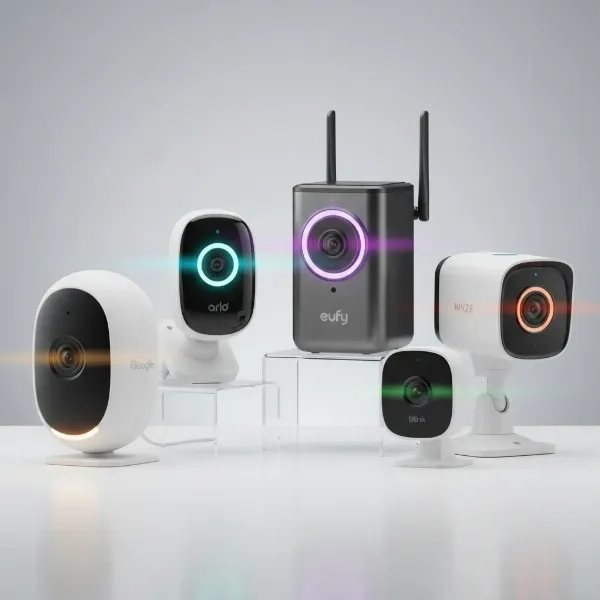
Ensuring the safety and security of our homes and businesses is a paramount concern in today’s world. An outdoor camera serves as a vigilant guardian, providing crucial surveillance that can deter potential intruders, document incidents, and offer invaluable peace of mind. With advancements in technology, these devices have evolved into sophisticated systems capable of delivering high-definition footage, intelligent alerts, and seamless integration into modern smart homes. This comprehensive guide will navigate the intricate landscape of outdoor security cameras, helping you understand their essential role, explore various types, and identify the perfect model to meet your specific security needs.
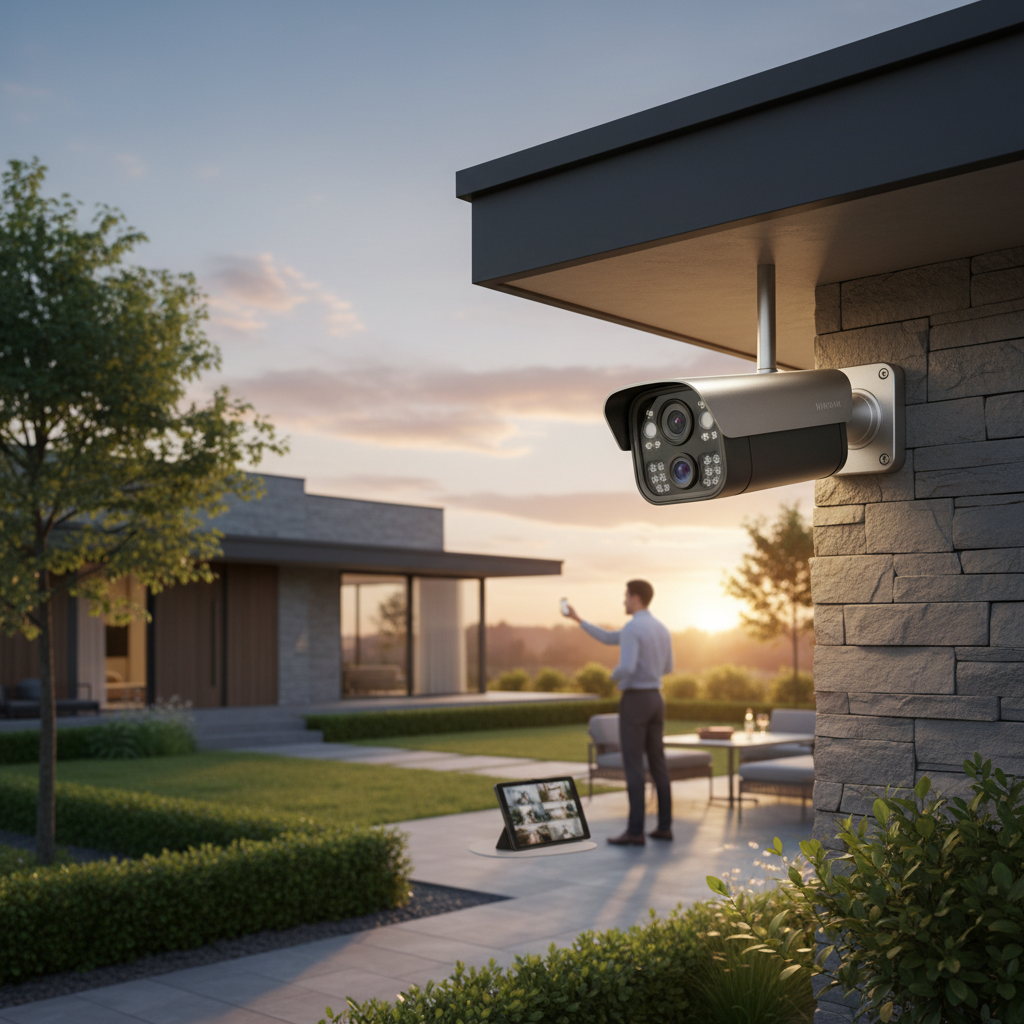
Outdoor Cameras: An Essential Security Solution
Outdoor security cameras are your first line of defense, offering a proactive approach to safeguarding your property and loved ones. Their visible presence alone can significantly deter criminal activity, with studies indicating that well-placed surveillance can reduce theft and vandalism. Beyond deterrence, these cameras provide continuous monitoring, capturing critical visual evidence that can be instrumental in investigations. They are an indispensable tool for protecting assets, ensuring the safety of family members, and maintaining constant vigilance over your perimeter.
Popular Types of Outdoor Cameras
The market offers a diverse array of outdoor cameras, each designed with specific features and applications in mind. Understanding these variations, based on technology, functionality, and form factor, is key to selecting the most effective system for your property.
By Technology
- Analog Cameras: These traditional CCTV cameras transmit video over coaxial cables to a Digital Video Recorder (DVR). While often more budget-friendly, they typically offer lower resolution compared to modern IP cameras.
- IP Cameras: Internet Protocol (IP) cameras are the modern standard, transmitting digital video over a network, often using Power-over-Ethernet (PoE) for simplified installation. They boast superior resolution, advanced analytics, and remote accessibility.
- Wireless Cameras: These cameras connect to your home Wi-Fi network, offering flexible placement without the need for extensive wiring for data. They are ideal for DIY installation and often battery-powered, though a stable Wi-Fi signal is crucial.
- Wired Cameras: Providing a stable and reliable connection, wired cameras are less susceptible to interference or hacking. They require physical cable runs for both power and data, making installation more involved but ensuring consistent performance.
|
Our Picks for the Best Outdoor camera in 2026
As an Amazon Associate I earn from qualifying purchases.
|
||
| Num | Product | Action |
|---|---|---|
| 1 | eufy Security 3K Dual Camera, SoloCam S340, Solar Security Cameras Wireless Outdoor, Cameras for Home Security, 360°Coverage, Pan & Tilt, No Blind Spots, No Monthly Fee, HomeBase S380 Compatible |

|
| 2 | All-new Blink Video Doorbell + Outdoor 4 – Wireless smart security cameras, head-to-toe HD view, two-year battery life. Sync Module Core included – 2 camera system + Video Doorbell |
|
| 3 | WYZE Cam v4 (Latest Model), 2.5K AI Security Camera, Indoor/Outdoor Cameras for Home Security, Baby Monitor & Pet Camera, Vibrant Color Night Vision, No Subscription Required, Free Expert Help |
|
| 4 | Security Cameras Wireless Outdoor 355° Pan Rotating 2K Color Night Vision Cameras for Home Security WiFi Battery Outdoor Camera Motion Detection 2-Way Talk IP65 Spotlight Siren SD/Cloud Storage 2 Pack |
|
| 5 | Ring Outdoor Cam Plus, Battery (newest model), Home or business security, Wide-Angle 2K Video with Ring Vision, Low-Light Sight for full-color night vision, Mount-Anywhere Versatility, Black |
|
| 6 | Blink Outdoor 4 – Wireless smart security camera, two-year battery life, 1080p HD day and infrared night live view, two-way talk. Sync Module Core included – 3 camera system |
|
| 7 | aosu Security Cameras Outdoor Wireless, 4 Cam-Kit, No Subscription Required, Solar-Powered, Home Security Cameras System with 360° Pan & Tilt, Auto Tracking, 2K Color Night Vision, Easy Setup |
|
| 8 | 2026 Upgraded 2K Security Cameras Wireless Outdoor, Free Cloud Storage, 1-6 Months Battery Life, Waterproof, 2-Way Talk, AI Motion Detection Spotlight Siren Alarm Cameras for Home Security |
|
| 9 | Ring Outdoor Cam (Stick Up Cam), Weather-resistant home or business security camera, outdoor ready, Live View, Color Night Vision, Two-Way Talk, motion alerts, Works with Alexa, White |
|
| 10 | GMK Security Cameras Wireless Outdoor 4 Pack, 2K Battery Powered Cameras for Home Security, Color Night Vision, Motion Detection, 2-Way Talk, IP65 Waterproof, Remote Access, Cloud/SD Storage |
|
By Features
- Infrared (IR) Cameras: Equipped with IR LEDs, these cameras provide clear black-and-white footage in complete darkness, ensuring 24/7 surveillance.
- Zoom Cameras: Featuring optical or digital zoom capabilities, these allow you to magnify specific areas of interest without significant loss of image quality, crucial for identifying distant details.
- PTZ (Pan-Tilt-Zoom) Cameras: These cameras offer remote control over their movement, allowing users to pan horizontally, tilt vertically, and zoom in or out. They are excellent for covering large areas with a single camera but require active monitoring to track events effectively.
- Cameras with Two-Way Audio: Integrated microphones and speakers enable real-time communication, allowing you to speak with visitors or verbally deter intruders remotely.
By Shape
- Bullet Cameras: Easily recognizable by their cylindrical shape, bullet cameras are often mounted on walls or ceilings, ideal for monitoring specific entrances or pathways. Their prominent design can also act as a visual deterrent.
- Dome Cameras: Featuring a discreet, dome-shaped housing, these cameras are harder to discern their direction of view, making them suitable for areas where aesthetics or vandal resistance is a priority. Vandal-proof dome cameras offer enhanced protection against tampering.
- Turret Cameras: Also known as “eyeball cameras,” turret cameras blend the benefits of bullet and dome designs, offering a flexible ball-and-socket mount within a compact, often metal, housing. They provide easy adjustment and are generally weatherproof.
Comparison Table: Key Outdoor Camera Features
When evaluating outdoor cameras, several core features dictate performance and suitability. This table outlines important criteria to consider for different types of security needs.
| Feature | Description | Considerations |
|---|---|---|
| Resolution | Measures image clarity (e.g., 1080p, 2K, 4K). | Higher resolution (2K/4K) provides clearer details for identification (faces, license plates). |
| Field of View | The width of the area a camera can capture, expressed in degrees. | Wide-angle lenses (90°+ or ≥100°) cover more ground, reducing the number of cameras needed. |
| Weatherproofing | Indicated by an IP (Ingress Protection) rating, denoting resistance to dust and water. | IP65 (dust-tight, rain-resistant) is standard; IP66/IP67 (stronger water jets, short submersion) for harsh climates. |
| Night Vision | Ability to capture clear images in low-light or darkness. | Infrared (IR) provides black-and-white footage; color night vision offers more detail in dim conditions. Range varies (e.g., 100-300ft). |
| Smart Features | AI-powered analytics and automated functions. | Motion detection, person/vehicle detection, activity zones, two-way audio, mobile alerts enhance monitoring. |
| Storage Options | How video footage is saved and accessed. | Local (SD card, NVR/DVR) for privacy and no fees; Cloud for remote access and off-site backup (often subscription-based). |
| Power Source | Method of powering the camera. | Wired (PoE, adapter) for reliability; Wireless (battery, solar) for flexible placement. Battery life varies. |
| Vandal Resistance | Indicated by an IK rating, measuring impact protection. | IK10 rating provides strong protection against physical tampering, especially for low-mounted cameras. |
[image-1|outdoor-camera-types-comparison|Detailed infographic comparing various outdoor camera types and their key features, illustrating different form factors like bullet, dome, and PTZ cameras with icons for resolution, night vision, and weather resistance against a modern home exterior.|
An editorial infographic comparing bullet, dome, and PTZ outdoor security cameras. Each camera type has an icon representing its form factor. Below each, include small icons illustrating features like 4K resolution, color night vision, IP67 weather resistance, and two-way audio. The background shows a sleek, minimalist home exterior at dusk, suggesting security and smart technology.]
Key Considerations When Selecting an Outdoor Camera
Choosing the right outdoor camera involves more than just picking a popular model; it requires aligning the camera’s capabilities with your specific security needs and environmental conditions.
- Resolution: For actionable footage that can help identify individuals or license plates, aim for cameras with at least 1080p Full HD resolution. 2K or 4K cameras offer even greater detail, allowing for digital zooming without significant pixelation.
- Field of View: Determine the area you need to cover. Wide-angle lenses are ideal for expansive spaces like driveways or backyards, minimizing blind spots. For focused surveillance on an entryway, a narrower field of view might provide more detail.
- Weather Resistance: Outdoor cameras must endure various climates. Look for an IP rating of IP65 or higher, indicating protection against dust and water jets. For extreme conditions, an IP66 or IP67 rating provides superior protection, along with a specified operating temperature range that matches your local climate.
- Night Vision: Critical for 24/7 surveillance, night vision capabilities ensure visibility after dark. Infrared (IR) night vision is common, providing clear black-and-white images. Some advanced cameras offer color night vision, which can provide more context and detail in low-light environments.
- Smart Features: Modern cameras integrate AI for enhanced monitoring. Features like person and vehicle detection reduce false alerts from pets or passing cars. Two-way audio allows for direct communication, while customizable activity zones help focus alerts on critical areas.
- Storage: Decide how you want your footage stored. Local storage via an SD card or Network Video Recorder (NVR)/Digital Video Recorder (DVR) offers privacy and no recurring fees. Cloud storage provides off-site backup and remote access, often requiring a subscription but ensuring footage safety even if the camera is compromised.
- Power Source: Consider the installation flexibility. Wired cameras (including Power-over-Ethernet or PoE) offer reliable power and data but require cable routing. Wireless cameras, often battery or solar-powered, are easier to install but need periodic battery recharging or consistent sunlight for solar models.
Top Outdoor Cameras Today
The outdoor camera market is highly competitive, with numerous brands offering innovative solutions. Here are a few highly-rated models that consistently receive praise for their performance and features:
- Google Nest Cam (2nd Gen): Praised for its excellent video quality, intelligent alerts (person, motion, vehicle, animal detection), and flexible installation options (wired or battery-powered with a weatherproof cable option). It offers local backup storage, enhancing its value.
- Arlo Pro 4 Spotlight Camera: Known for its wire-free design, 2K HDR video, color night vision, integrated spotlight, and two-way audio. It provides a wide 160-degree field of view and operates efficiently in various conditions.
- Tapo MagCam 4K Solar Ultra HD Outdoor Security Camera: This model stands out for its 4K resolution, solar panel integration for extended battery life, and magnetic base for easy setup. It offers a wide field of view and clear footage.
- Eufy SoloCam S340: A popular choice for its dual-camera design, offering both a wide-angle lens and a telephoto lens for detailed close-ups. It often includes solar charging, 360-degree pan and tilt, and local storage without monthly fees.
- Blink Outdoor 2K+: Valued for its affordability, long battery life, and compact, weather-resistant design. It provides 2K+ resolution and integrates seamlessly with Amazon Alexa.
Outdoor Camera Installation Guide
Proper installation is crucial for maximizing the effectiveness and longevity of your outdoor camera system. While specific steps may vary by model, here’s a general guide to help you through the process:
- Plan Placement: Begin by mapping out the optimal locations. Focus on main entry points, off-street windows, back doors, and any vulnerable areas like garages or sheds. Ensure these spots are within Wi-Fi range if using wireless cameras and consider access to power if wired. Aim for a mounting height of at least 10 feet to deter tampering and achieve a wide viewing angle, typically pointed down at a 30-degree angle.
- Gather Tools: You’ll typically need a power drill with appropriate bits (masonry bits for brick/concrete), an electric screwdriver, a wall scanner to avoid hidden wires, a spirit level for straight mounting, and any included mounting hardware (screws, anchors, cable clips). A sturdy ladder is essential for safe access.
- Mount the Base/Bracket: Securely attach the camera’s mounting base or bracket to your chosen surface. Use the provided drill template for accuracy, drill pilot holes, insert anchors if needed, and fasten the base firmly with screws. Ensure the mount is stable and can support the camera’s weight.
- Connect Power and Data:
- Wired Cameras: Run necessary power and data cables (e.g., Ethernet for PoE) from the camera to its power source and recording device (DVR/NVR). Route cables along ledges, under eaves, or through conduit to protect them from elements and tampering. Secure cables with clips.
- Wireless Cameras: If battery-powered, ensure the battery is fully charged and inserted correctly. For solar models, position the solar panel for maximum sun exposure.
- Install the Camera: Attach the camera securely to its mounted base or bracket. For models with security screws, ensure these are tightened to prevent easy removal.
- Configure and Test: Download the manufacturer’s app and follow the instructions to connect the camera to your Wi-Fi network. Configure settings such as resolution, motion detection sensitivity, recording schedules, and activity zones. Test the live feed and recorded footage to ensure clear images and optimal coverage from all installed cameras. Adjust angles as needed.
Tips for Using and Maintaining Outdoor Cameras
To ensure your outdoor cameras provide reliable security for years, regular use and maintenance are essential.
- Routine Cleaning: Dust, dirt, spiderwebs, and water spots can obstruct the lens and degrade image quality. Gently wipe the camera lens and housing monthly with a soft, lint-free cloth and a mild cleaning solution. Avoid harsh chemicals that could scratch or damage the lens.
- Inspect Mounts and Connections: Strong winds, vibrations, or general wear can loosen camera mounts over time, causing misalignment. Periodically check that all mounts are secure and brackets are free from rust. For wired cameras, inspect cables for fraying, cuts, or loose connections, especially at entry points to the camera or NVR/DVR.
- Firmware and Software Updates: Manufacturers frequently release firmware updates to improve performance, enhance security features, and patch vulnerabilities. Regularly check for and install these updates through the camera’s app or manufacturer’s website to ensure your system is secure and operating optimally.
- Protect from Harsh Conditions: While outdoor cameras are designed to be weather-resistant, additional protection can extend their lifespan. Consider installing sunshields in areas with intense sun exposure to prevent overheating and maintain clear images. If condensation appears inside dome cameras, reseal them promptly.
- Monitor Video Quality and Storage: Occasionally review recorded footage to ensure clarity and proper functioning of night vision. Check your NVR/DVR or cloud storage capacity regularly to prevent data loss due to full drives. Back up important footage to external drives or cloud services.
- Battery Management (for Wireless Cameras): If using battery-powered cameras, monitor battery levels regularly and recharge or replace them as needed. Extreme temperatures can affect battery performance, so consider temperature tolerance if you live in an area with significant climate fluctuations.
“A well-maintained outdoor camera system isn’t just a deterrent; it’s a testament to your commitment to security, offering a clear visual narrative should anything unexpected occur.” – John Smith, Security Systems Expert
Buying Guide: What to Know Before You Buy an Outdoor Camera
Before making a purchase, a strategic approach can save you time and ensure you invest in the right outdoor camera system.
- Define Your Budget: Outdoor cameras range significantly in price depending on features, resolution, and brand. Determine a realistic budget upfront, remembering that some advanced features or cloud storage may incur ongoing subscription fees.
- Assess Your Specific Needs: What areas do you need to monitor most? Are you looking for general deterrence, detailed facial recognition, or license plate capture? Do you need two-way audio or advanced AI detection? Prioritizing your needs will narrow down your options.
- Consider Essential Features: Based on your assessment, focus on cameras that meet your minimum requirements for resolution, night vision, weather resistance (IP rating), and smart features. Don’t compromise on these core functionalities for outdoor use.
- Research Reputable Brands: Stick to well-known brands with positive reviews and a strong reputation for reliability and customer support. Brands like Google Nest, Arlo, Eufy, Ring, and TP-Link are often reliable choices.
- Check Warranty and Support: Understand the warranty period and what it covers. Good customer support can be invaluable if you encounter installation issues or technical problems.
Conclusion
Investing in a robust outdoor camera system is one of the most effective steps you can take to enhance your property’s security and enjoy greater peace of mind. By carefully considering the various types of cameras, their key features, and critical installation and maintenance practices, you can make an informed decision that provides comprehensive surveillance tailored to your unique requirements. From deterring potential threats to capturing vital evidence, a well-chosen outdoor camera acts as your ever-watchful sentinel, day and night.
Are you ready to transform your home’s perimeter into a fortress of security?