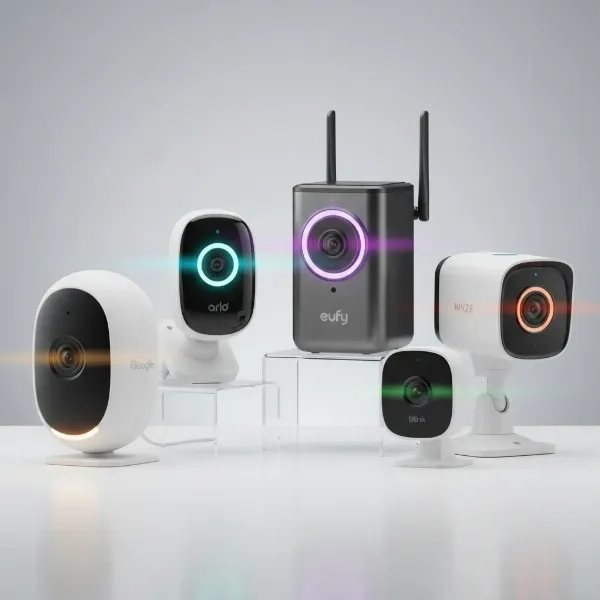
Securing your home or business with an outdoor camera system has become more critical than ever, offering peace of mind and a vital layer of defense against potential threats. Whether you’re safeguarding against package theft, monitoring property boundaries, or simply keeping an eye on pets and visitors, the right outdoor camera transforms surveillance into a proactive security measure. With advancements in technology, today’s outdoor cameras provide crystal-clear images, robust weather resistance, and smart features that can deter intruders and capture crucial evidence. This guide will navigate the complex world of outdoor cameras, helping you understand the types available, what features truly matter, and which models stand out from the crowd to make the best choice for your unique needs.
Outdoor Camera: Essential Security Solution
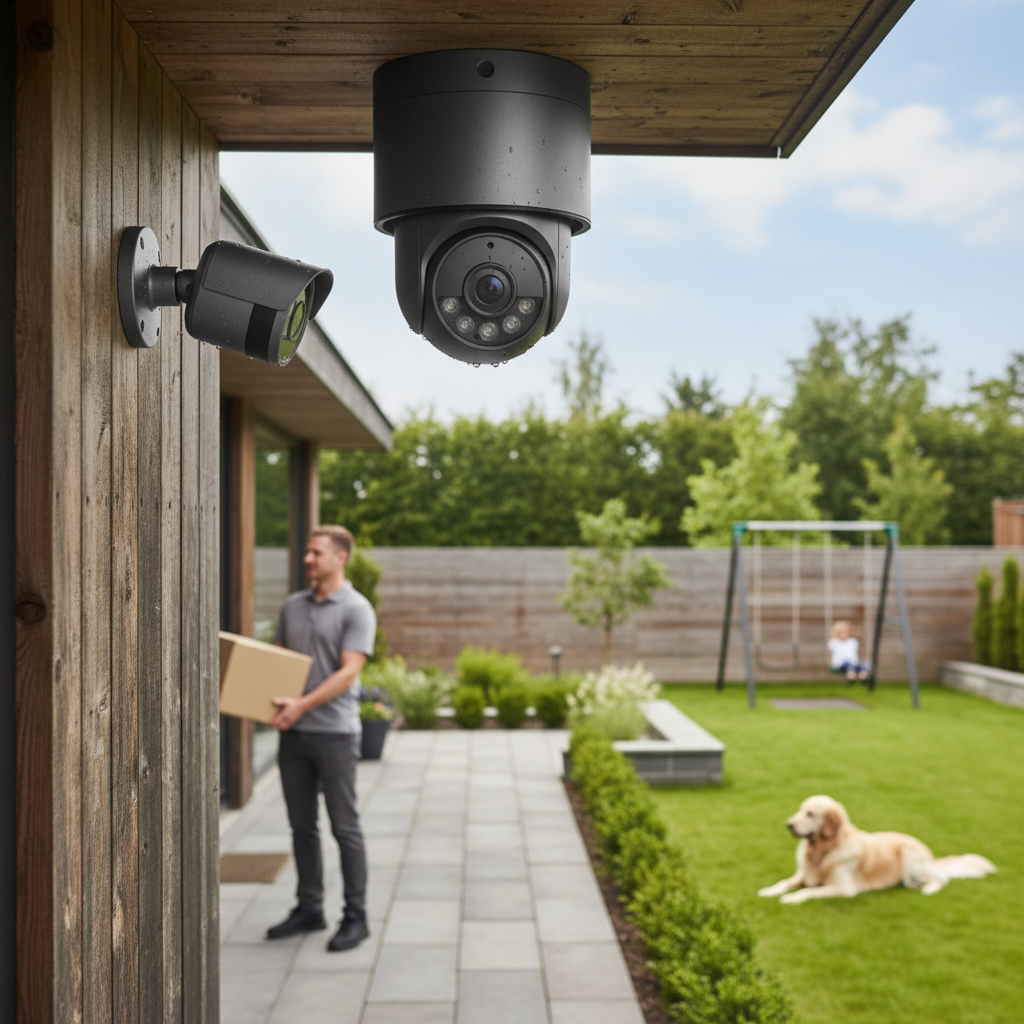
Outdoor cameras serve as a vigilant guardian for your property, providing constant surveillance that is essential for both deterrence and evidence collection. In an age where security concerns are increasingly prevalent, these devices play a pivotal role in protecting assets and loved ones. Statistics consistently show that visible security cameras can significantly reduce crime rates, acting as a powerful deterrent to would-be criminals who prefer to avoid detection.
Beyond deterring crime, outdoor cameras provide invaluable real-time alerts and recorded footage. This means you’re immediately notified of unusual activity, allowing for swift action, and you have a detailed record of events should an incident occur. From monitoring delivery personnel to identifying suspicious loiterers, an outdoor camera system enhances your overall security posture, offering an indispensable tool in safeguarding your home and business.
Popular Types of Outdoor Cameras
The market offers a diverse range of outdoor cameras, each designed with specific functionalities and applications in mind. Understanding the different types is key to selecting a system that perfectly aligns with your security requirements.
By Technology:
- Wired Cameras: These cameras connect directly to a power source and often to a Digital Video Recorder (DVR) or Network Video Recorder (NVR) via cables (Ethernet or coaxial).
- Pros: Highly reliable, stable connection, continuous power, no battery concerns, often higher data throughput for better resolution.
- Cons: More complex installation requiring cable runs, less flexible placement, can be more conspicuous.
- Wireless Cameras: Operating on Wi-Fi or other wireless protocols, these cameras transmit data wirelessly to a receiver or cloud storage. Many are battery-powered, offering unparalleled flexibility.
- Pros: Easy and flexible installation, no extensive wiring, ideal for renters or temporary setups.
- Cons: Battery life can be a concern (requiring recharging or replacement), potential for Wi-Fi interference or signal drops, often rely on cloud subscriptions for full features.
- IP Cameras: Internet Protocol (IP) cameras are digital cameras that send and receive data over a network or the internet. They offer high resolution and advanced features.
- Pros: Superior image quality (2K, 4K), smart features (AI detection), remote access, can be wired (PoE) or wireless.
- Cons: Can be more expensive, requires a strong network connection, may require subscription for cloud storage.
|
Our Picks for the Best Outdoor camera in 2026
As an Amazon Associate I earn from qualifying purchases.
|
||
| Num | Product | Action |
|---|---|---|
| 1 | WYZE Cam v4 (Latest Model), 2.5K AI Security Camera, Indoor/Outdoor Cameras for Home Security, Baby Monitor & Pet Camera, Vibrant Color Night Vision, No Subscription Required, Free Expert Help |

|
| 2 | All-new Blink Video Doorbell + Outdoor 4 – Wireless smart security cameras, head-to-toe HD view, two-year battery life. Sync Module Core included – 2 camera system + Video Doorbell |
|
| 3 | 2026 Upgraded 2K Security Cameras Wireless Outdoor, Free Cloud Storage, 1-6 Months Battery Life, Waterproof, 2-Way Talk, AI Motion Detection Spotlight Siren Alarm Cameras for Home Security |
|
| 4 | Ring Outdoor Cam (Stick Up Cam), Weather-resistant home or business security camera, outdoor ready, Live View, Color Night Vision, Two-Way Talk, motion alerts, Works with Alexa, White |
|
| 5 | Security Cameras Wireless Outdoor 355° Pan Rotating 2K Color Night Vision Cameras for Home Security WiFi Battery Outdoor Camera Motion Detection 2-Way Talk IP65 Spotlight Siren SD/Cloud Storage 2 Pack |
|
| 6 | Blink Outdoor 4 – Wireless smart security camera, two-year battery life, 1080p HD day and infrared night live view, two-way talk. Sync Module Core included – 3 camera system |
|
| 7 | Ring Outdoor Cam Plus, Battery (newest model), Home or business security, Wide-Angle 2K Video with Ring Vision, Low-Light Sight for full-color night vision, Mount-Anywhere Versatility, Black |
|
| 8 | aosu Security Cameras Outdoor Wireless, 4 Cam-Kit, No Subscription Required, Solar-Powered, Home Security Cameras System with 360° Pan & Tilt, Auto Tracking, 2K Color Night Vision, Easy Setup |
|
| 9 | GMK Security Cameras Wireless Outdoor 4 Pack, 2K Battery Powered Cameras for Home Security, Color Night Vision, Motion Detection, 2-Way Talk, IP65 Waterproof, Remote Access, Cloud/SD Storage |
|
| 10 | eufy Security 3K Dual Camera, SoloCam S340, Solar Security Cameras Wireless Outdoor, Cameras for Home Security, 360°Coverage, Pan & Tilt, No Blind Spots, No Monthly Fee, HomeBase S380 Compatible |
|
By Features & Design:
- Bullet Cameras: Easily recognizable by their cylindrical shape, bullet cameras are highly visible and designed to deter crime.
- Pros: Strong deterrent, good long-range viewing, easy to mount, often include night vision.
- Cons: Can be vandalized more easily due to their visible nature, less discreet.
- Dome Cameras: Encased in a protective dome, these cameras are more discreet and harder for intruders to tell which direction they are facing.
- Pros: Vandal-resistant, discreet design, wide-angle views, suitable for various environments.
- Cons: Can suffer from IR reflection if not properly installed, sometimes harder to adjust lens after installation.
- Turret Cameras: Often called “eyeball” cameras, these combine the benefits of bullet and dome cameras without the IR reflection issue of dome cameras.
- Pros: Easy to adjust, IR reflection-free, robust, less conspicuous than bullet cameras.
- Cons: Not as vandal-resistant as some dome cameras.
- PTZ (Pan-Tilt-Zoom) Cameras: These cameras offer mechanical control, allowing users to remotely pan horizontally, tilt vertically, and zoom in on specific areas.
- Pros: Provides 360-degree coverage of large spaces with a single camera, ideal for real-time monitoring.
- Cons: Requires an operator for real-time adjustments, less effective for continuous wide-angle recording unless specific presets are used, often more expensive.
- Floodlight Cameras: Integrating a security camera with powerful LED floodlights, these cameras illuminate wide areas and actively deter intruders with light and often a siren.
- Pros: Excellent nighttime visibility, active deterrence, two-way audio, siren.
- Cons: Requires direct wiring for power, can be overly bright for residential areas near bedrooms, higher power consumption.
Bảng So Sánh Các Loại Camera Ngoài Trời
Choosing the ideal outdoor camera involves balancing various factors to meet your specific security needs and budget. Here’s a comparative overview of key camera types:
| Feature | Wired IP Camera | Wireless (Battery/Solar) Camera | PTZ Camera | Floodlight Camera |
|---|---|---|---|---|
| Resolution | Excellent (2K-4K) | Good to Excellent (1080p-4K) | Excellent (1080p-4K) | Excellent (1080p-4K) |
| Angle of View | Fixed (often 100°+) | Fixed (often 100°+) | Variable (up to 360° pan, manual control) | Fixed (often 120°-180°) |
| Weatherproof | High (IP66/IP67 typical) | High (IP65/IP66 typical) | High (IP66 typical) | High (IP65/IP66 typical) |
| Night Vision | IR, Color Night Vision, Spotlights | IR, Color Night Vision (some models) | IR, Color Night Vision (some models) | IR, Powerful Floodlights, Color Night Vision |
| Smart Features | Advanced (AI detection, facial recognition) | Good (person/vehicle detection) | Advanced (tracking, presets) | Advanced (person detection, siren, audio) |
| Storage | Local (NVR), Cloud, Hybrid | Cloud (subscription), Local (SD card) | Local (NVR/SD), Cloud, Hybrid | Local (SD card), Cloud (subscription) |
| Power | Wired (PoE) | Battery, Solar Panel | Wired (PoE), AC | Wired (AC) |
| Installation | Complex (wiring required) | Easy (minimal wiring) | Moderate (wiring + network) | Moderate (electrical wiring required) |
| Reliability | Very High (stable connection) | Moderate to High (dependent on Wi-Fi) | High | High |
| Cost | Moderate to High | Low to Moderate | High | Moderate to High |
Các Tiêu Chí Quan Trọng Khi Chọn Mua Camera Ngoài Trời
Selecting the best outdoor camera requires a careful evaluation of several critical features to ensure it meets your specific security needs and environmental conditions.
Độ Phân Giải (Resolution)
The clarity of your camera’s footage is paramount for identification.
- 1080p (Full HD): A good baseline for clear images, suitable for general surveillance.
- 2K (Quad HD): Offers sharper detail than 1080p, making it easier to identify faces and license plates from a moderate distance.
- 4K (Ultra HD): Provides the highest level of detail, ideal for covering large areas with fewer cameras and capturing forensic-level evidence. However, it requires a robust network and significant storage.
Góc Nhìn (Angle of View)
Consider the area you need to cover. A wider angle of view (e.g., 100 degrees or more) means fewer cameras are needed to cover a large space. Pan-Tilt-Zoom (PTZ) cameras offer dynamic angle adjustments, but fixed cameras with wide lenses are often sufficient for specific areas like entryways or driveways.
Khả Năng Chống Chịu Thời Tiết (Weather Resistance)
Outdoor cameras must endure harsh elements. Look for an IP (Ingress Protection) rating, which indicates resistance to dust and water.
- IP65: Dust-tight and protected against water jets (suitable for most outdoor conditions).
- IP66: Dust-tight and protected against powerful water jets (excellent for heavy rain).
- IP67: Dust-tight and protected against temporary immersion in water (provides extra resilience).
Also, check the camera’s specified operating temperature range to ensure it can withstand extreme hot or cold climates.
Tầm Nhìn Ban Đêm (Night Vision)
Surveillance doesn’t stop when the sun goes down.
- Infrared (IR) Night Vision: Most common, providing clear black-and-white images in low light or complete darkness.
- Color Night Vision: Achieved through advanced sensors, spotlights, or ambient light, offering full-color video even at night, which can be crucial for identifying details like clothing colors.
- Spotlights/Floodlights: Integrated lights illuminate the scene, improving color night vision and acting as a deterrent.
Tính Năng Thông Minh (Smart Features)
Modern cameras leverage AI to enhance security and reduce false alarms.
- Motion Detection: Triggers recording and alerts when movement is detected.
- Person/Vehicle/Animal Detection: Differentiates between types of movement, sending more relevant alerts (e.g., ignoring a cat but alerting for a person).
- Facial Recognition: Identifies familiar faces and alerts for unknown individuals.
- Activity Zones: Allows you to define specific areas for motion detection, ignoring irrelevant movements outside those zones.
- Two-Way Audio: Enables you to listen in and speak through the camera, useful for deterring intruders or communicating with visitors.
Lưu Trữ (Storage)
How your footage is saved is a crucial consideration.
- Local Storage (SD Card/NVR): Footage is stored directly on the camera’s SD card or on a Network Video Recorder (NVR) on-site. Offers privacy and no subscription fees, but capacity can be limited or vulnerable to theft if the device is stolen.
- Cloud Storage: Footage is uploaded to secure remote servers, accessible from anywhere. Provides redundancy and protection against physical damage or theft, but typically requires a monthly subscription fee.
- Hybrid Storage: Combines local and cloud storage, offering the best of both worlds with local backup and remote cloud access for critical events.
Nguồn Điện (Power Options)
- Wired (AC/PoE): Provides continuous power and reliability. Power over Ethernet (PoE) cameras receive power and data through a single Ethernet cable, simplifying wiring.
- Battery-Powered: Offers maximum placement flexibility without needing an outlet, but requires periodic recharging (every few weeks to months).
- Solar-Powered: Utilizes a connected solar panel to continuously recharge the battery, making it a sustainable and wire-free option for sunny locations.
Top 5 Camera Ngoài Trời Tốt Nhất Hiện Nay
The market for outdoor security cameras is competitive, with numerous brands offering advanced features. Here are some of the top-performing models that consistently receive high ratings for their reliability, image quality, and smart capabilities.
-
Google Nest Cam (Battery)
- Brand: Google
- Pros: Excellent image quality, intelligent alerts (people, vehicles, animals) with 3 hours of free video history, versatile for indoor/outdoor use, easy battery-powered installation, integrates well with Google Assistant and Alexa.
- Cons: No 5GHz Wi-Fi support, many advanced features require a Nest Aware subscription, not ideal for extremely cold climates (operating temp above -4°F).
- Price: Mid-range.
- User Reviews: Highly praised for ease of use and smart detection, though some note subscription costs for extended history.
-
Blink Outdoor 4
- Brand: Blink (Amazon)
- Pros: Exceptional battery life (up to two years on AA batteries), very affordable, wire-free installation, improved night vision and wider field of view compared to previous generations, local storage option via USB drive in Sync Module.
- Cons: 1080p video quality is good but not top-tier, person detection requires a subscription, no free cloud storage.
- Price: Budget-friendly.
- User Reviews: Valued for its simplicity, long battery life, and cost-effectiveness for basic outdoor monitoring.
-
Eufy SoloCam S340 Wireless Outdoor Security Camera
- Brand: Eufy
- Pros: Sharp 3K resolution, dual cameras, pan-and-tilt capabilities, built-in solar panel for continuous charging, local storage (32GB microSD included), no mandatory subscription, integrated spotlight and siren.
- Cons: Requires strong Wi-Fi for 3K streaming without choppiness, pan/tilt may be slower than dedicated PTZ cameras.
- Price: Mid to High-range.
- User Reviews: Frequently lauded for its comprehensive feature set without subscription fees and reliable solar power.
-
Arlo Pro 5 / Pro 5S (2K HDR)
- Brand: Arlo
- Pros: High-resolution 2K HDR video, wide 160-degree field of view, color night vision, integrated spotlight and siren, direct Wi-Fi connectivity (2.4GHz & 5GHz), long battery life.
- Cons: Many advanced features (person/vehicle/animal detection, cloud history) require an Arlo Secure subscription, higher price point.
- Price: High-range.
- User Reviews: Appreciated for premium video quality and smart home integration, but subscription is a common point of discussion.
-
Reolink Atlas PT Ultra
- Brand: Reolink
- Pros: Boasts clear 4K resolution (8MP lens), long battery life, smart detection for people and vehicles, pan-and-tilt functionality for expansive coverage.
- Cons: Can be more resource-intensive on network and storage due to 4K resolution.
- Price: Mid to High-range.
- User Reviews: Praised for its detailed 4K video and robust build quality, particularly for users needing comprehensive property surveillance.
Hướng Dẫn Lắp Đặt Camera Ngoài Trời
Installing an outdoor camera effectively is crucial for optimal performance and security. Here’s a step-by-step guide to ensure a safe and efficient setup.
1. Choose Vị Trí Lắp Đặt Phù Hợp (Choose the Right Installation Location)
- Height: Mount cameras 8 to 10 feet above the ground to maximize coverage and deter tampering. This height offers a wide view while keeping the camera out of easy reach.
- Key Areas: Focus on primary entry points (front door, back door, ground-floor windows), driveways, garages, and any areas with obstructed views or valuable assets.
- Line of Sight: Ensure a clear line of sight to the monitoring area, free from obstructions like tree branches or dense foliage.
- Power/Network Access: For wired cameras, plan for easy access to a power outlet or an Ethernet port (for PoE). For wireless cameras, ensure good Wi-Fi signal strength.
- Avoid Glare: Position cameras to avoid direct sunlight or strong artificial lights that can cause glare and obscure images.
2. Chuẩn Bị Dụng Cụ và Vật Liệu Cần Thiết (Gather Necessary Tools and Materials)
Before you begin, have the following on hand:
- Drill and drill bits
- Screwdriver (Phillips and flathead)
- Ladder
- Pencil
- Measuring tape
- Mounting hardware (screws, anchors – usually included with the camera)
- Weatherproof sealant (for wired installations)
- Cable ties or clips (for cable management)
- Cable tester (for wired Ethernet connections)
- The camera and its accessories
3. Kết Nối Camera với Nguồn Điện và Mạng (Connect the Camera to Power and Network)
- Wired Cameras:
- For AC-powered cameras, run power cables to a weatherproof outdoor outlet.
- For PoE cameras, connect an Ethernet cable from the camera to a PoE switch or NVR. Use outdoor-rated Ethernet cables if running long distances externally.
- Wireless Cameras (Battery/Solar):
- Ensure batteries are fully charged or the solar panel is installed in a sunny spot and connected to the camera.
- Follow the manufacturer’s instructions to connect the camera to your home Wi-Fi network via its mobile app.
4. Cấu Hình Camera và Cài Đặt Các Tính Năng (Configure the Camera and Set Up Features)
- Mobile App Setup: Most modern outdoor cameras are configured through a dedicated mobile app. Download the app and follow the on-screen prompts to pair your camera.
- Live View: Access the live feed to check the camera’s angle and coverage.
- Motion Detection & Activity Zones: Set up motion detection sensitivity and define specific activity zones to minimize false alerts.
- Notifications: Configure push notifications to your smartphone for alerts.
- Storage: Set up your preferred storage method (SD card formatting, cloud subscription activation).
- Firmware Updates: Check for and install any available firmware updates to ensure optimal performance and security.
5. Kiểm Tra và Điều Chỉnh Góc Nhìn (Test and Adjust the Angle of View)
- After mounting, use the live view on your app to fine-tune the camera’s angle. Walk through the monitored area to ensure all critical zones are covered and facial recognition or license plate details are clear if those features are important to you.
- Test night vision, two-way audio, and any integrated spotlights or sirens to confirm they function correctly.
“A well-placed camera is more effective than three poorly placed ones. Always consider the camera’s field of view and potential blind spots during installation.” – Alex Chen, Security Systems Expert
Mẹo Sử Dụng và Bảo Dưỡng Camera Ngoài Trời
Ensuring the longevity and optimal performance of your outdoor security cameras requires regular attention. Simple maintenance tips can extend their lifespan and ensure they capture clear, reliable footage when you need it most.
Vệ Sinh Camera Thường Xuyên (Clean the Camera Regularly)
- Lens Cleaning: Dust, dirt, cobwebs, rain spots, and even insect nests can obscure the camera lens, degrading image quality. Gently wipe the lens with a soft, microfiber cloth. For stubborn grime, use a lens cleaning solution or a damp cloth. Avoid harsh chemicals that could damage the lens coating.
- Housing Inspection: Check the camera housing for any signs of physical damage, cracks, or corrosion, especially in areas exposed to harsh weather. Clean off any accumulated dirt or debris from the body of the camera.
Kiểm Tra Kết Nối và Nguồn Điện Định Kỳ (Periodically Check Connections and Power Supply)
- Wired Cameras: Inspect all cable connections for wear and tear, corrosion, or looseness. Ensure power adapters are secure and free from damage. For PoE systems, check Ethernet cable integrity and connections. Reliable power and network connections are vital for continuous operation.
- Wireless Cameras: If battery-powered, monitor battery levels regularly through the camera’s app and recharge or replace them as needed. For solar-powered cameras, ensure the solar panel is clean and free from obstructions (like leaves) to guarantee efficient charging.
Cập Nhật Phần Mềm cho Camera (Update Camera Software)
- Firmware Updates: Manufacturers frequently release firmware updates to improve camera performance, add new features, fix bugs, and patch security vulnerabilities. Regularly check for and install these updates via your camera’s mobile app or web interface. This is crucial for maintaining both functionality and security.
Bảo Vệ Camera Khỏi Các Tác Động Vật Lý (Protect the Camera from Physical Impacts)
- Secure Mounting: Ensure mounting brackets are tight and secure, especially after strong winds or storms, which can loosen fixtures.
- Weather Protection: While outdoor cameras are weatherproof, additional protection can prolong their life. Consider installing them under eaves or overhangs to shield them from direct heavy rain, snow, or intense sunlight. However, ensure this doesn’t obstruct the field of view.
- Tamper Prevention: If possible, position cameras in locations that are difficult for intruders to reach or tamper with.
Buying Guide: Những Điều Cần Biết Trước Khi Mua Camera Ngoài Trời
Before investing in an outdoor camera, it’s essential to consider a few key aspects to ensure you make an informed decision that perfectly aligns with your security needs and lifestyle.
Ngân Sách Dự Kiến (Anticipated Budget)
Outdoor cameras range widely in price. Determine how much you’re willing to spend, keeping in mind that while budget options exist, higher-priced models often offer superior resolution, more advanced smart features, and robust build quality. Also, factor in potential ongoing costs like cloud storage subscriptions, which can add up over time.
Nhu Cầu Sử Dụng Cụ Thể (Specific Usage Needs)
- Monitoring a large area or a specific entryway? This dictates the field of view, resolution, and whether a PTZ camera is necessary.
- Need to identify faces or license plates from a distance? Prioritize 2K or 4K resolution.
- Concerned about nighttime activity? Look for excellent IR night vision, color night vision, or integrated spotlights.
- Do you want to deter intruders actively? A floodlight camera with a siren and two-way audio would be beneficial.
- Are you a renter or need flexible placement? Battery or solar-powered wireless cameras are ideal.
Các Tính Năng Cần Thiết (Essential Features)
Beyond basic recording, consider:
- Smart Detection: Person, vehicle, or animal detection to reduce false alarms.
- Two-Way Audio: For communication or deterrence.
- Local vs. Cloud Storage: Decide on your preference for data privacy, accessibility, and potential subscription costs. A hybrid option often provides the best balance.
- Connectivity: Wi-Fi strength requirements, especially for high-resolution streaming. Consider LTE options for areas without Wi-Fi.
- Integration: Compatibility with your existing smart home ecosystem (Google Home, Alexa, Apple HomeKit) for seamless control.
Thương Hiệu Uy Tín (Reputable Brands)
Stick to well-known brands that have a proven track record for reliability, customer support, and regular software updates. Brands like Google Nest, Arlo, Eufy, Ring, and Reolink are often recommended due to their quality and feature sets. Research customer reviews for real-world experiences regarding product durability and after-sales service.
Chính Sách Bảo Hành (Warranty Policy)
Understand the warranty period and what it covers. A good warranty provides peace of mind against manufacturing defects and potential issues within the first year or two of ownership. Check return policies and how easily you can get support if a problem arises.
Kết Luận
Choosing the right outdoor camera is a critical step towards enhancing the security and tranquility of your property. By understanding the various types, prioritizing essential features like resolution and weather resistance, and considering your specific needs, you can confidently select a system that offers robust protection. The top models available today provide a powerful blend of smart technology, clear imaging, and durable design, making them indispensable tools in modern home security. Remember that an outdoor camera isn’t just a device; it’s an investment in your peace of mind.
What aspects of outdoor camera technology do you find most appealing for your security needs?
Câu Hỏi Thường Gặp
How long do battery-powered outdoor cameras typically last on a single charge?
Battery life for outdoor cameras varies significantly based on usage, activity levels, and environmental factors like temperature. Many models claim several months (e.g., 3-6 months) to even up to two years on a single charge under optimal conditions, but frequent motion detection and live viewing will reduce this duration.
Are outdoor security cameras vulnerable to hacking?
Like any internet-connected device, outdoor security cameras can be vulnerable to hacking if not properly secured. It is crucial to use strong, unique passwords, enable two-factor authentication, and keep the camera’s firmware updated to the latest version to protect against potential security breaches.
Can I install an outdoor camera myself, or do I need a professional?
Many modern outdoor cameras, especially wireless, battery-powered models, are designed for DIY installation, often requiring only basic tools and a ladder. Manufacturers provide detailed instructions and apps to guide the setup process. However, wired or complex multi-camera systems might benefit from professional installation to ensure proper wiring and optimal placement.
What is the difference between IR night vision and color night vision?
IR (infrared) night vision uses infrared LEDs to illuminate the scene, capturing clear black-and-white video in complete darkness. Color night vision, on the other hand, can produce full-color video at night by using advanced sensors, ambient light, or integrated spotlights/floodlights, which can help in identifying specific details.
Do I need a subscription for my outdoor security camera?
While many outdoor cameras offer basic features without a subscription (like live viewing and limited local storage), most brands require a monthly or annual subscription for advanced features such as extended cloud video history, AI-powered person/vehicle detection, activity zones, and rich notifications. It’s important to check the subscription requirements before purchasing.
What IP rating should I look for in an outdoor camera?
For reliable outdoor use, look for an IP rating of at least IP65, which indicates protection against dust and water jets. IP66 offers protection against more powerful water jets, making it suitable for heavy rain, while IP67 provides protection against temporary immersion, offering the highest level of weather resistance.