Securing your home means creating a robust defense against potential threats, and two primary tools stand out in the outdoor security arsenal: cameras and security lights. While both aim to deter intruders and enhance safety, they operate differently and offer unique advantages. Understanding these differences is key to making an informed decision about which solution, or combination, best suits your property and peace of mind. Let’s delve into the capabilities of each to illuminate the path to optimal home protection.
Understanding Outdoor Security: The Roles of Cameras and Lights
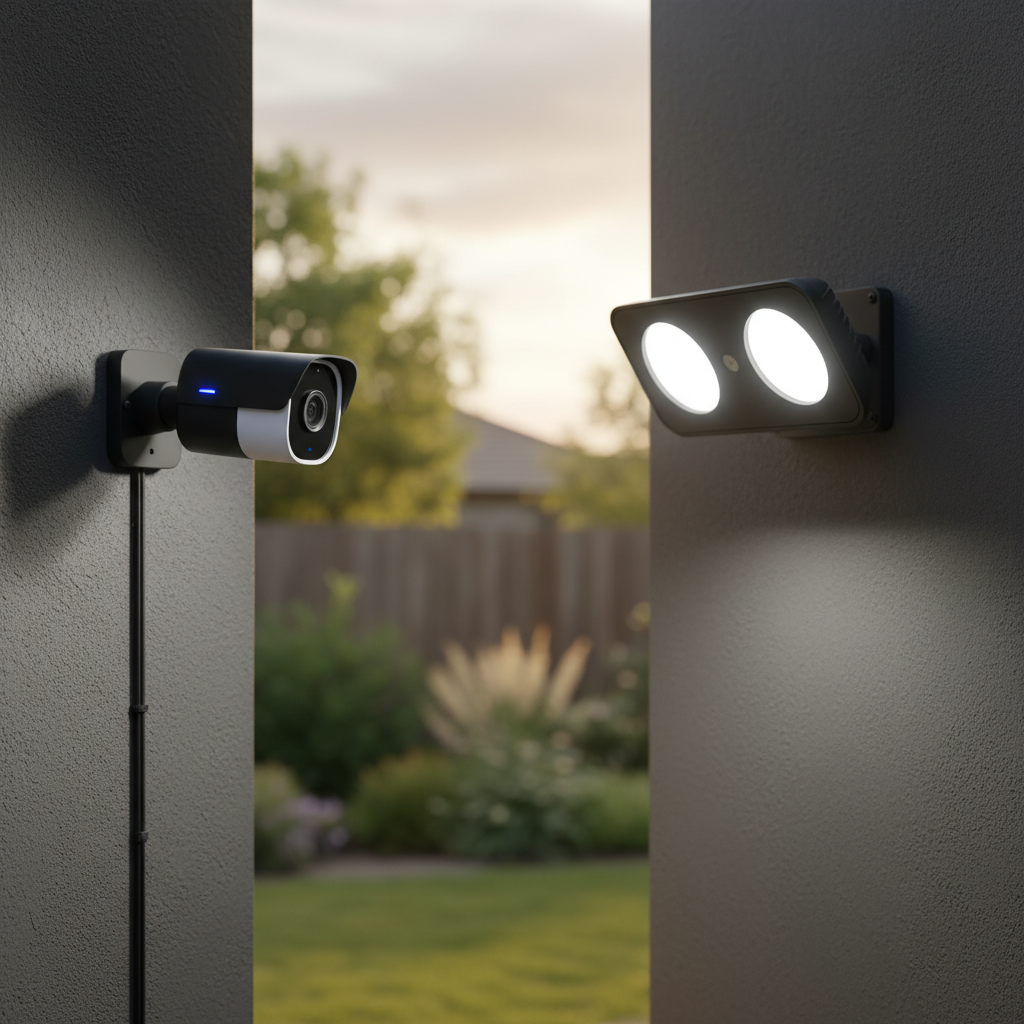
When it comes to safeguarding your property, outdoor security devices serve as your first line of defense. Security cameras provide constant surveillance, acting as silent witnesses that capture crucial evidence and allow for remote monitoring. They offer an invaluable record of events, which can be critical for law enforcement and insurance purposes. On the other hand, security lights, particularly motion-activated ones, offer an immediate, visible deterrent. Their sudden illumination can startle intruders, expose their presence, and make a property appear less appealing as a target. These two systems, while distinct, often work best when integrated, creating a layered security approach that covers both prevention and post-incident analysis.
Outdoor Security Cameras: Beyond Just Watching
Outdoor security cameras are sophisticated tools that do much more than just record video; they are active components of a comprehensive security strategy. Modern cameras, including both standalone units and those with integrated lighting (spotlight and floodlight cameras), offer a range of features designed to protect your property and loved ones. They act as a visible deterrent, with studies showing that the mere presence of a security camera significantly discourages criminal activity. [cite: 2-benefits-camera, 4-benefits-camera]
The core benefit of security cameras is their ability to capture high-definition video evidence. This footage can be invaluable for identifying intruders, tracking their movements, and assisting police investigations. Many cameras come equipped with advanced night vision capabilities, often utilizing infrared (IR) technology, to provide clear images even in complete darkness. Some models further enhance night vision by incorporating white light spotlights or floodlights, illuminating the scene for better color video and increased deterrence.
Beyond recording, many outdoor cameras offer intelligent features such as motion detection, which triggers recording and sends instant alerts to your smartphone when activity is detected. Customizable detection zones allow you to focus monitoring on specific areas, reducing false alarms. Two-way audio is another powerful feature, enabling you to speak to visitors or confront potential intruders directly through the camera’s built-in speaker and microphone. Remote monitoring via a smartphone app provides constant vigilance, allowing you to check in on your home from anywhere in the world. Additionally, cameras can offer protection against package theft, assist in liability claims, and even reduce homeowner’s insurance premiums. [cite: 1-benefits-camera, 2-benefits-camera, 3-benefits-camera, 5-benefits-camera]
“Outdoor cameras provide peace of mind by not only deterring crime but also by offering irrefutable video evidence, which is crucial for both identification and legal proceedings.” – Security Expert, Home Security Solutions
Security Lights: The Immediate Deterrent
Security lights, especially motion-activated ones, are designed for one primary purpose: immediate deterrence through illumination. The sudden burst of bright light in a previously dark area is highly effective at startling potential intruders and making them feel exposed, often causing them to flee before attempting a break-in. This makes security lights an excellent proactive measure, as criminals tend to avoid properties that are well-lit and where their movements are likely to be noticed. [cite: 1-benefits-lights, 2-benefits-lights, 3-benefits-lights, 4-benefits-lights]
Beyond deterring crime, motion sensor lights offer significant convenience. They automatically illuminate pathways, driveways, and entry points, providing safe passage for residents and guests, especially at night. This also helps reduce the risk of trips and falls, enhancing overall safety around the property. [cite: 5-benefits-lights, 4-security-lighting]
Modern security lights are highly energy-efficient, primarily due to LED technology and motion activation. Unlike traditional lights that might be left on all night, motion sensor lights only consume power when movement is detected, leading to lower electricity bills. They are also useful for scaring off unwelcome animals like raccoons or deer from your yard. [cite: 1-benefits-lights, 2-benefits-lights, 5-benefits-lights]
While highly effective as a deterrent and for general safety, standalone security lights do have limitations. They do not record video, meaning there is no visual evidence of who triggered the light or what they did. In busy areas, they can be frequently triggered by passing cars or animals, potentially becoming a nuisance. Moreover, some studies suggest that while lighting is a deterrent, the presence of visible CCTV cameras is often ranked higher by former criminals as a more effective deterrent. [cite: 4-security-lighting]
Side-by-Side Comparison: Cameras, Lights, and Hybrid Systems
To truly understand which outdoor security solution is better for your needs, it’s essential to compare their key aspects directly. This section will break down the differences and similarities between standalone outdoor cameras, standalone security lights, and hybrid systems (cameras with integrated lights).
Deterrence Effectiveness
|
Our Picks for the Best Outdoor camera in 2026
As an Amazon Associate I earn from qualifying purchases.
|
||
| Num | Product | Action |
|---|---|---|
| 1 | aosu Security Cameras Outdoor Wireless, 4 Cam-Kit, No Subscription Required, Solar-Powered, Home Security Cameras System with 360° Pan & Tilt, Auto Tracking, 2K Color Night Vision, Easy Setup |

|
| 2 | WYZE Cam v4 (Latest Model), 2.5K AI Security Camera, Indoor/Outdoor Cameras for Home Security, Baby Monitor & Pet Camera, Vibrant Color Night Vision, No Subscription Required, Free Expert Help |
|
| 3 | Ring Outdoor Cam (Stick Up Cam), Weather-resistant home or business security camera, outdoor ready, Live View, Color Night Vision, Two-Way Talk, motion alerts, Works with Alexa, White |
|
| 4 | All-new Blink Video Doorbell + Outdoor 4 – Wireless smart security cameras, head-to-toe HD view, two-year battery life. Sync Module Core included – 2 camera system + Video Doorbell |
|
| 5 | eufy Security 3K Dual Camera, SoloCam S340, Solar Security Cameras Wireless Outdoor, Cameras for Home Security, 360°Coverage, Pan & Tilt, No Blind Spots, No Monthly Fee, HomeBase S380 Compatible |
|
| 6 | Blink Outdoor 4 – Wireless smart security camera, two-year battery life, 1080p HD day and infrared night live view, two-way talk. Sync Module Core included – 3 camera system |
|
| 7 | Security Cameras Wireless Outdoor 355° Pan Rotating 2K Color Night Vision Cameras for Home Security WiFi Battery Outdoor Camera Motion Detection 2-Way Talk IP65 Spotlight Siren SD/Cloud Storage 2 Pack |
|
| 8 | 2026 Upgraded 2K Security Cameras Wireless Outdoor, Free Cloud Storage, 1-6 Months Battery Life, Waterproof, 2-Way Talk, AI Motion Detection Spotlight Siren Alarm Cameras for Home Security |
|
| 9 | Ring Outdoor Cam Plus, Battery (newest model), Home or business security, Wide-Angle 2K Video with Ring Vision, Low-Light Sight for full-color night vision, Mount-Anywhere Versatility, Black |
|
| 10 | GMK Security Cameras Wireless Outdoor 4 Pack, 2K Battery Powered Cameras for Home Security, Color Night Vision, Motion Detection, 2-Way Talk, IP65 Waterproof, Remote Access, Cloud/SD Storage |
|
Both cameras and lights serve as deterrents. Visible security cameras immediately signal that a property is monitored, making it less appealing to criminals. Motion-activated lights provide an abrupt, startling effect, exposing an intruder. Hybrid camera-light systems combine both, offering visual monitoring and an immediate bright light response, often seen as the most powerful deterrent.
Evidence Collection
This is where cameras truly shine. Security cameras capture crucial video footage, which can be essential evidence for law enforcement and insurance claims. Standalone security lights, by contrast, offer no recording capabilities. Hybrid systems provide both the visual deterrent of light and the evidentiary record of video.
Active Monitoring & Alerts
Cameras offer remote viewing, two-way audio, and instant smartphone alerts based on motion or person detection. This allows for real-time awareness and interaction. Standalone security lights primarily provide a local visual alert (the light turning on) and do not offer remote monitoring or direct communication features.
Cost and Installation
Generally, standalone security lights are the most budget-friendly option and often the easiest to install, especially battery-operated models. Standalone cameras vary in price and installation complexity depending on wired vs. wireless and advanced features. Hybrid camera-light systems tend to be at the higher end of the cost spectrum due to their dual functionality and advanced features, and their installation can be more involved as they require both power and network connectivity.
Power Source and Reliability
Wired cameras and lights offer continuous, reliable power. Wireless cameras and battery-operated security lights offer more flexible placement but require battery changes or consistent sunlight for solar models, which can impact reliability if not maintained.
Smart Features and Integration
Modern cameras often integrate seamlessly with smart home ecosystems, allowing for advanced automation, remote control, and integration with other security devices. While some advanced security lights can trigger other smart devices, their integration capabilities are typically more limited compared to full-featured security cameras.
Here’s a detailed comparison table:
| Feature | Standalone Outdoor Camera | Motion-Activated Security Light | Hybrid Camera with Integrated Light |
|---|---|---|---|
| Primary Function | Video Surveillance | Illumination, Deterrence | Surveillance & Illumination |
| Deterrence | High (visible presence) | High (sudden light) | Very High (light + visible camera) |
| Evidence Collection | Yes (video recording) | No | Yes (video recording) |
| Active Monitoring | Yes (remote viewing, alerts, 2-way audio) | No | Yes (remote viewing, alerts, 2-way audio) |
| Cost | Moderate to High | Low to Moderate | Moderate to High |
| Installation Ease | Varies (wired/wireless) | Easy (esp. battery/solar) | Varies (wired, complex) |
| Power Reliability | High (wired), Moderate (wireless) | High (wired), Moderate (battery/solar) | High (wired) |
| Night Vision | Yes (IR, color with ambient light) | Not applicable | Excellent (IR + powerful white light) |
| Smart Integration | Extensive | Limited | Extensive |
| False Triggers | Moderate (customizable zones) | High (animals, cars, branches) | Moderate (customizable zones, AI) |
When to Choose Which: Tailoring Your Security Solution
Deciding between an outdoor camera, a security light, or a combination depends heavily on your specific needs, budget, and the layout of your property.
-
Choose a Standalone Security Light when:
- Budget is a primary concern: Security lights are generally more affordable.
- Immediate deterrence is key: The sudden flash of light is highly effective at startling intruders.
- You need improved visibility for safety: Illuminating pathways and entry points reduces accidents.
- You want to deter wildlife: Motion lights can keep unwanted animals away.
- Evidence collection is secondary or covered by other means.
-
Choose a Standalone Outdoor Camera when:
- Video evidence is crucial: You need recordings for identification and legal purposes.
- Remote monitoring and alerts are essential: You want to check on your property from anywhere.
- Two-way communication is desired: To interact with visitors or confront intruders.
- You need detailed surveillance: To identify individuals, vehicles, or specific activities.
- You have sufficient ambient light at night or rely purely on IR night vision.
-
Choose a Hybrid Camera with Integrated Light (Spotlight or Floodlight Camera) when:
- You want the best of both worlds: Powerful deterrence combined with comprehensive video evidence.
- Enhanced night vision is a priority: The integrated light drastically improves video clarity in darkness.
- You have high-risk areas: Such as main entry points, driveways, or large backyards, where maximum deterrence and recording are needed.
- You prefer an all-in-one solution: Reducing the number of devices to install and manage.
Maximizing Protection: Combining Cameras and Lights
For the most comprehensive outdoor security, combining security cameras and lights is often the most effective strategy. This layered approach leverages the strengths of both systems to create a formidable defense.
By strategically placing motion-activated security lights in conjunction with cameras, you can achieve several benefits:
- Enhanced Deterrence: The combined visual presence of a camera and the sudden, bright illumination from a security light creates a powerful deterrent that is difficult for intruders to ignore. The light makes them visible, and the camera records their presence.
- Superior Night Vision: Even cameras with built-in IR night vision perform better with additional white light. Security lights can illuminate a broader area, allowing cameras to capture clearer, full-color footage at night, making identification much easier.
- Filling Gaps: While cameras focus on specific surveillance zones, security lights can illuminate blind spots or cover wider areas not fully captured by camera lenses. This comprehensive lighting ensures that no dark corners provide hiding spots.
- Redundant Security: If one system experiences a malfunction (e.g., a camera goes offline), the other can still provide a level of protection. The lights can still deter, even if the camera isn’t recording, and the camera can still record if the light is out.
- Smart Integration: Many modern security ecosystems allow cameras and lights to work together. For instance, a motion-activated security light could trigger a camera to start recording, or a camera detecting a person could turn on a nearby floodlight.
Ultimately, a multi-faceted approach that integrates both cameras and lights offers the highest level of security, providing both proactive deterrence and reactive evidence collection.
Key Considerations Before You Buy
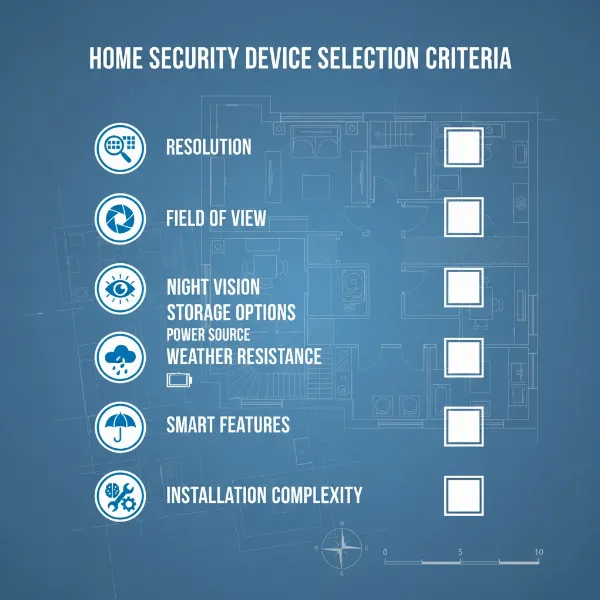
Before investing in outdoor security cameras or lights, consider these important factors to ensure you choose the right system for your home:
- Weather Resistance: Outdoor devices must withstand rain, snow, extreme temperatures, and UV exposure. Look for products with high IP (Ingress Protection) ratings.
- Power Source: Decide between wired (more reliable, continuous power) or wireless (easier installation, battery/solar maintenance) options for both cameras and lights.
- Connectivity: For cameras, consider Wi-Fi stability, range, and bandwidth. For lights, consider smart integration with your existing home network.
- Storage Options (for Cameras): Will you need local storage (SD card) or cloud storage? Cloud subscriptions often come with recurring fees but offer greater convenience and security for footage.
- Field of View and Brightness: For cameras, determine the necessary angle of view to cover your desired area. For lights, consider lumens and beam angle – spotlights for focused areas, floodlights for broad coverage.
- Motion Detection Sensitivity: Look for adjustable sensitivity and intelligent detection (e.g., person detection) to minimize false alarms.
- Brand Reputation and Warranty: Choose reputable brands that offer good customer support and warranty coverage.
- Privacy Concerns: Be mindful of camera placement to avoid inadvertently recording neighbors’ property, especially in dense residential areas.
Conclusion: Illuminating Your Home Security Decision
Choosing between an outdoor camera and security lights for your home security isn’t about one being inherently “better” than the other, but rather about understanding their distinct roles and how they can synergize. Security lights offer an immediate, powerful deterrent, startling intruders and illuminating potential threats while enhancing safety and saving energy. Outdoor cameras provide crucial video evidence, remote monitoring, and advanced smart features for identification and proactive intervention.
For truly robust protection, the ideal solution often involves a combination of both. Integrating motion-activated security lights with high-definition cameras creates a layered defense that deters, records, and keeps you informed, maximizing your home’s security posture. By carefully assessing your property’s vulnerabilities, your budget, and your personal security priorities, you can make the most informed decision to safeguard your sanctuary. What steps will you take to illuminate and protect your home today?
Frequently Asked Questions
Can security lights prevent burglaries on their own?
While security lights are a strong deterrent, preventing burglaries entirely is complex. They significantly reduce the likelihood of a break-in by exposing intruders and startling them, but they don’t provide evidence or remote monitoring capabilities. For comprehensive protection, combining them with a camera system is highly recommended.
Do cameras with built-in lights perform better at night than those without?
Yes, cameras with built-in white lights (spotlights or floodlights) generally offer superior night vision compared to cameras relying solely on infrared (IR). The white light illuminates the scene, allowing the camera to capture clearer, full-color video, which is invaluable for identifying details that might be missed in black-and-white IR footage.
Are motion sensor lights prone to false alarms?
Motion sensor lights can be prone to false alarms if their sensitivity is too high or if they are positioned in busy areas where passing cars, animals, or even moving branches can trigger them. Many modern lights offer adjustable sensitivity settings or detection zones to mitigate this issue.
Is professional installation required for outdoor security systems?
It depends on the complexity of the system. Battery-operated security lights and wireless cameras can often be DIY installed. However, wired systems for both cameras and lights, especially floodlight cameras that connect to existing electrical wiring, often benefit from professional installation to ensure safety, proper function, and optimal placement.